

Chevron and herringbone wood floors frequently show up together in design talks, but they produce quite distinct atmospheres once laid down. Both designs draw from traditional European skills, yet their construction, visual movement, and way they interact with areas differ in small but important ways. For those owning homes, working as designers, or planning projects, grasping these contrasts aids in steering clear of picks that seem fine in samples yet feel wrong in a whole room.
YEHUI, a flooring maker famous for engineered wood products and customized project support, supplies both chevron-style and herringbone-matching flooring choices. With the proper pattern and material mix, these flooring layouts can suit modern houses, traditional insides, and combined-use areas without pushing the overall look.
Why Do Chevron And Herringbone Patterns Create Different Visual Effects?
Before turning to room dimensions or themes, the key lies in how each pattern takes shape. The manner in which boards join and repeat over the floor alters the way eyes travel through an area, even if the wood type and shade remain identical.
Chevron Geometry And Continuous Direction
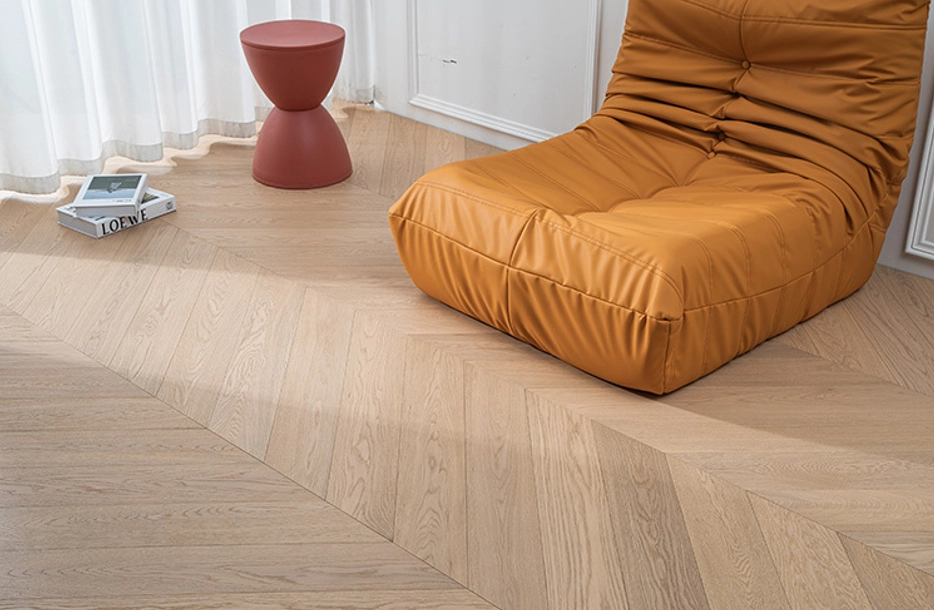
Chevron flooring employs boards sliced at equal angles, so they connect tip to tip and form a sharp V shape. The lines remain unbroken, which builds a firm sense of path. In various insides, this approach makes the room seem stretched or more organized.
When combined with smooth wood surfaces like Luxury Wooden Flooring (Y7825), the chevron setup spotlights grain uniformity and top-layer details. This design shines particularly when aiming for a peaceful yet purposeful appearance, where the floor subtly directs focus instead of clashing with furnishings or wall treatments.
Herringbone Offset And Rhythmic Layout
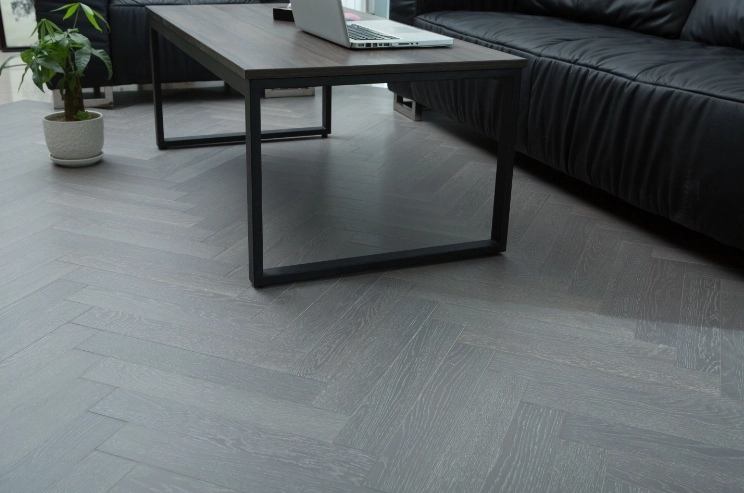
Herringbone flooring places rectangular boards at perpendicular angles, resulting in a jagged zigzag design. The edges fail to align in a direct line, which brings motion and surface depth. This setup appears gentler and more ornamental, even alongside plain colors.
The Grey Oak Herringbone Flooring (9102-7) illustrates how this design can blend timeless appeal with fresh vibes. Moreover, the gray oak shade mutes the lively arrangement, so the floor stays lively without dominating the space.
Pattern Scale And Room Proportion
Chevron designs usually stress length and path, fitting well in spots that gain from sight extension. By contrast, herringbone scatters visual appeal more uniformly, assisting rooms to appear even.
YEHUI provides custom measurements and shade tweaks according to project demands, so creators can adjust how striking or mild a pattern looks after fitting.
Which Pattern Works Better For Different Interior Styles?
The theme of an inside greatly shapes pattern choice. Even finely made flooring might seem mismatched if the arrangement conflicts with the broad design tone.
Chevron For Modern And Structured Interiors
Contemporary insides typically depend on sharp edges, wide setups, and a feeling of order. Chevron flooring blends smoothly into such settings due to its evenness and neat positioning.
Three Layer Flooring DGY-01, featuring its built structure and solid base, matches nicely with chevron setups in up-to-date homes, flats, and business-like living zones. Furthermore, the design strengthens direct building lines, all while offering a cozy and organic wood top.
Herringbone For Classic And Transitional Spaces
Herringbone links closely to old-style insides, but it shifts readily to bridging designs too. Its stepped placement adds layers and personality without needing vivid hues or thick coatings.
Classic Oak (9115) suits this context especially. The natural oak shade backs the old-world sense of herringbone, yet it stays adaptable for refreshed insides that combine past and present parts.
Blending Patterns With Custom Color Options
Certain projects need chevron form with milder shades, or herringbone feel with a tamer range. YEHUI delivers shade tailoring to fit project specs, enabling patterns to merge into exact inside ideas without sticking to set shade plans.
Such adaptability assists creators in holding steady flow across areas, while still employing lively floor setups.
How Do Room Size And Layout Influence Pattern Selection?
Past style likes, the actual setup of a room firmly impacts how a pattern appears in sight.
Linear Flow In Narrow Or Long Rooms
Chevron flooring naturally pulls the gaze along its main line. In extended hallways, wide living zones, or areas with clear path motion, this boosts smoothness and unity.
When matched with steady wood shades and managed grain designs, chevron surfaces aid in steering motion through the spot without seeming pushed.
Balanced Rhythm In Square Or Open Areas
Herringbone flooring shares visual load more uniformly. In boxy rooms or wide spots with several focus points, this avoids the floor from tugging sight one way alone.
Additionally, the ongoing stepped design brings appeal, while anchoring the room, particularly when linked with quiet coatings and basic furniture plans.
Matching Board Size And Wood Tone
Bigger boards form stronger designs, whereas tinier sizes bring fine points and feel. Wood shade matters too, since brighter tones ease intricate setups and richer ones spotlight form.
YEHUI teams up with project groups to match board lengths and coatings to the planned area impact, ensuring the end outcome stays sight-wise smooth.
What Practical Factors Should Be Considered Before Choosing A Pattern?
Visual charm covers just one angle of the choice. Real-world aspects affect how well a pattern holds up long-term and fits various spots.
Installation Precision And Material Structure
Chevron designs demand exact slanted slices, while herringbone counts on uniform board measures. For both, material firmness proves vital for holding neat lines and straightness.
YEHUI’s engineered flooring builds aim to back patterned setups, aiding in preserving form and look after placement in everyday settings.
Design Consistency Across Multiple Rooms
Employing patterned flooring over several rooms calls for thoughtful setup. Pattern path, shade, and board measure ought to move naturally from one area to the next.
Items such as Luxury Wooden Flooring and Three Layer DGY-01 permit matched plans across varied zones, backing both sight flow and design shifts as required.
Long-Term Visual Adaptability
Designs too strong or in vogue might seem outdated later. Chevron and herringbone, applied with care, often endure nicely because of their past ties and versatile looks.
Plain shades, even setups, and smart material picks aid these designs in remaining fitting as inside themes change.
How Can YEHUI Flooring Support Pattern-Based Design Projects?
Picking a pattern forms just one stage of the work. A solid flooring ally assists in turning design aims into complete areas.
Engineered Structures For Pattern Stability
YEHUI’s engineered wood flooring constructs to back involved setups like chevron and herringbone. Firm bases and stacked builds aid patterns in staying lined up and sight-steady.
Consistent Wood Grain And Color Control
Thoughtful material picks and making oversight aid in keeping even grain and shade over lots. This steadiness matters greatly in patterned surfaces, where differences stand out more.
Flexible Custom Solutions For Interior Projects
From home spots to bigger inside works, YEHUI supplies adaptable fixes fitted to setup, shade, and design aims. This project-centered way lets patterned flooring serve as part of a full inside plan, not just an alone trait.
FAQ
Q1: Is chevron or herringbone better for small rooms?
A: Both can fit, but chevron frequently aids in sight-stretching tight spots, whereas herringbone brings evenness in smaller, box-like rooms.
Q2: Can patterned wood floors match modern interiors?
A: Yes. Chevron especially suits contemporary spots well, above all when matched with neat coatings and plain wood shades.
Q3: Does YEHUI offer customization for patterned flooring projects?
A: YEHUI backs project-tied tailoring, covering wood shade and board details, to line up flooring designs with exact inside plans.


 English
  Spanish
  Arabic
  French
  German