

Herringbone flooring has subtly influenced interior designs for many years, and it still seems fresh in today’s homes. Some people consider it a lasting style drawn from old traditions. Others regard it as a striking visual feature that matches current design fashions. In truth, it falls in the middle. When selected with care, these floors combine traditional charm with practical benefits for everyday use, so they serve as a wise pick for current residences.
YEHUI, a company specializing in engineered wood products, achieves this mix through well-planned herringbone lines. Featuring stable builds, reliable bases, and adaptable shade options, such floors suit both old-style preferences and daily modern routines.
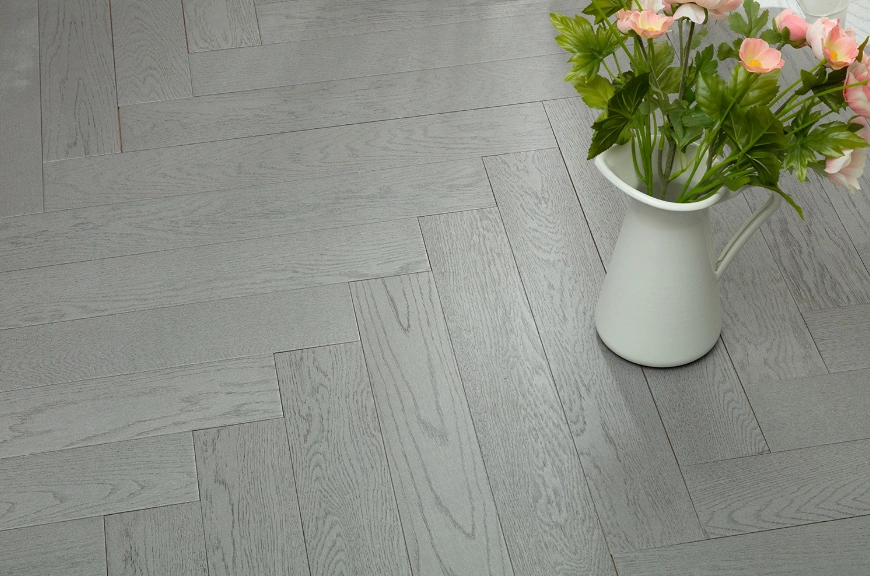
What Makes Herringbone Floors a Classic Choice?
Herringbone designs did not start recently. Their lasting appeal stems from a blend of visual flow, building history, and the draw of natural materials.
Before exploring how herringbone suits current homes, it is useful to grasp why this design has not faded away.
Historical Appeal of Herringbone Pattern
The herringbone arrangement goes back to old Roman streets, where slanted bricks boosted strength and durability. As time passed, it shifted inside, particularly to European residences and public structures. In places like Paris flats or aged estate homes, herringbone floors stood for skilled work more than just ornamentation.
This past context lends the design an inherent sense of richness. So, even in fresh builds, it brings a narrative that simple boards cannot provide.
Enduring Elegance in Interior Design
Unlike passing fads in design, herringbone floors adjust smoothly to shifting tastes. They pair nicely with classic pieces, yet they also fit alongside sleek forms, plain walls, and spacious setups. The slanted setup introduces motion without seeming cluttered.
Experts in design frequently call herringbone “subtly eye-catching.” It attracts notice, but it does not overpower the area.
Classic Oak in Modern Spaces
YEHUI’s Classic Oak herringbone flooring captures this enduring quality. The genuine oak shade aids cozy, even interiors, while the built-up design ensures steady hues and surfaces. In today’s homes, Classic Oak typically acts as the main visual focus in sitting rooms, meal spaces, and work nooks.
Its gentle wood lines go well with pale walls and deeper furnishings, which lets the floor remain fitting as room styles evolve.
Why Are Some Homeowners Choosing Herringbone Over Straight Planks?
Straight board flooring stays common, but a growing number of owners now pick herringbone setups for extra visual appeal.
This change does not aim for showiness. Rather, it concerns how areas sense and move.
Visual Interest and Perceived Depth
Herringbone designs naturally direct the gaze around a space. Those slanted lines can make tight spots seem broader, and compact areas feel more lively. In wide-open homes, this setup aids in marking sections without adding barriers or bold shades.
The repeating form builds layers, so the floor gains a multi-level appearance that remains neat.
R1108 as a Stylish Yet Subtle Option
YEHUI’s R1108 herringbone flooring gets picked often for residences seeking personality without sharp differences. Its even shade suits current setups where ease counts, but smooth surfaces seem overly dull.
The top layer keeps a steady feel, whereas the design adds flow. Thus, R1108 serves as a frequent selection for urban flats, row houses, and family dwellings that seek a polished style.
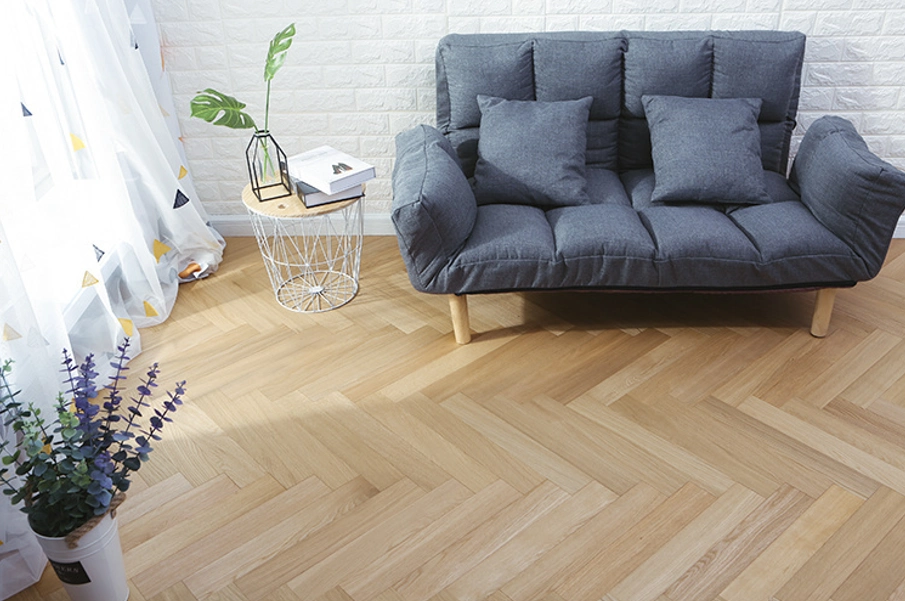
Blend with Contemporary Furnishings
Current pieces usually lean toward basic forms and gentle coatings. Herringbone floors match this by providing a firm base below. Instead of clashing with items, the design bolsters them.
In numerous modern homes, herringbone flooring links soft fabrics, daylight, and building elements into a cohesive whole.
Can Herringbone Floors Fit Minimalist or Modern Aesthetics?
Simple design styles typically steer clear of bold patterns, yet herringbone floors keep showing up in sleek simple homes.
Clean Lines with Patterned Flooring
Simple rooms depend on sharp shapes. Herringbone forms, though intricate, stick to a firm and orderly plan. Paired with neutral shades and basic coatings, the design seems purposeful instead of showy. As a result, the floor brings feel without extra clutter.
R1101 Enhancing Modern Interiors
YEHUI’s R1101 herringbone flooring suits such environments. Its controlled shade and uniform top layer let the pattern merge smoothly into current rooms.
R1101 fits best in sleep areas, reading spots, and shared living zones where peace in design is key, but even floors would seem too basic.
Harmonizing with Light and Space
Daylight holds a major part in current homes. Herringbone floors bounce light in varied ways over each board, which creates mild shifts all day long. This gentle variation stops rooms from seeming fixed. In simple areas, that soft shift brings coziness without disrupting the neat look.
What Practical Benefits Do Homeowners Consider with Herringbone?
Past looks, owners also check how floors match routine tasks and space plans. Herringbone forms provide greater adaptability than they seem at first.
Layout Flexibility in Different Rooms
Herringbone flooring suits big zones, and it handles small ones effectively too. The form can fix odd shapes visually and steer paths through passages or welcome areas.
YEHUI’s built-up design aids exact fitting, which matters for maintaining the form’s clarity and steadiness over varied room scales.
Customizing Colors Based on Client Needs
Though usual shades stay favored, YEHUI also offers shade tailoring to fit specific jobs. This lets creators and owners align floors with storage units, wall treatments, or main color plans.
Tailored shades allow herringbone floors to fit seamlessly into special room ideas without sticking to set shade lists.
Complementing Architectural Features
Current homes frequently have items like wide windows, fitted shelves, or open steps. Herringbone floors connect nicely with these by bringing direction and form to vast spots.
Are There Design Trends That Complement Herringbone Floors?
Herringbone floors keep fitting because they grow with design shifts instead of opposing them.
Pairing with Neutral and Warm Tones
Gentle creams, soft grays, and ground-based neutrals continue to lead in current homes. Herringbone floors in oak-like shades slide right into this mix, adding layers without harsh clashes. YEHUI’s line stresses even shades that aid lasting room schemes.
Combining with Area Rugs and Textures
Herringbone flooring leaves room for cozy add-ons. Rugs for zones, cloth seats, and stacked feels rest easily atop the form. Actually, the difference between straight rug edges and slanted boards usually improves the full view. This adaptability aids owners in updating rooms without swapping the floor.
Setting Mood and Flow in Living Areas
In broad plans, floors help direct paths. Herringbone forms lead the gaze through the area naturally, which aids in linking varied use sections.
For current homes that prize openness, this mild direction makes spaces feel planned rather than vague.
Final Thoughts: Timeless, Trendy, or Both?
Herringbone floors neither cling to old times nor pursue fads. They rest easily in the center. Their extended past lends trust, while current builds and sensible shade picks keep them current.
YEHUI’s herringbone lines, which include Classic Oak, R1108, and R1101, demonstrate how old forms can fulfill current hopes. With firm builds, neat tops, and tailoring choices, these floors back many room styles without dropping their core.
For current homes seeking lasting appeal, herringbone flooring stands as a clever and adaptable pick.
FAQ
Q1: Are herringbone floors suitable for modern houses only, or also for traditional homes?
A: Herringbone floors suit both types well. The form adjusts readily based on shade pick, top finish, and nearby pieces.
Q2: Can herringbone flooring be customized to match interior color schemes?
A: Yes. YEHUI offers shade tailoring for job needs, so the floor can align with exact design paths without fixed shade guides.
Q3: Do herringbone floors make small rooms feel crowded?
A: When picked in even shades and set with good lineup, herringbone forms usually make tight rooms feel lively instead of packed.


 English
  Spanish
  Arabic
  French
  German