

Laminate flooring serves as a favored option for both home and business installations due to its reliable build, tough protective coating, and broad selection of style choices. YEHUI laminate flooring relies on high-density fiberboard (HDF) bases and ends with sturdy top layers. This setup suits ongoing use in residences, workplaces, lodging spots, and shopping venues.
That said, even top-grade laminate surfaces can diminish in looks and function if handled incorrectly during upkeep. Numerous issues in flooring setups stem not from production flaws. Instead, they arise from routine cleaning practices that gradually harm the outer layer and inner framework.
Grasping these frequent upkeep errors aids in prolonging the surface’s duration, preserving its sight appeal, and safeguarding the worth of the initial setup.
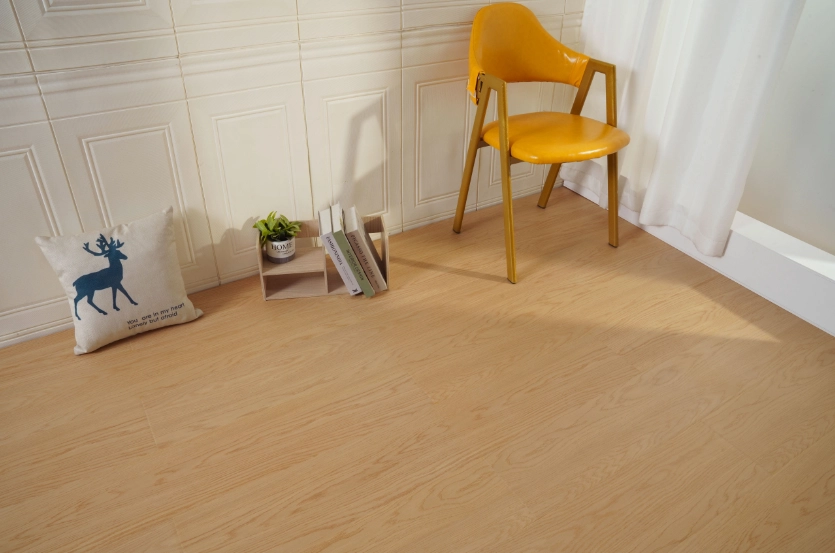
Why Is Using Too Much Water a Serious Cleaning Mistake?
Laminate flooring resists dampness but does not repel it entirely. People often miss this key distinction in everyday care. Water-induced harm builds up gradually over time. Initially, the surface appears normal. Yet after several months, connections begin to bulge, borders lift up, and the feel underfoot turns irregular. Before examining exact dangers, one should note how dampness affects the layers in laminate flooring.
Moisture Penetration Into HDF Core
YEHUI laminate flooring employs a high-density fiberboard center that offers firmness and size steadiness. However, this core draws from wood materials. If too much water lingers on top, dampness seeps into tiny spaces at connections or borders.
Soggy mops, leaking rags, or vapor devices heighten the risk of water contacting the center. When dampness gets inside, the fibers swell up. Moreover, they fail to shrink back completely to their prior form. As a result, this inner shift undermines the plank from within.
Edge Swelling and Joint Stress
A primary outward clue of water overuse shows as border bulging. The sides of laminate planks take in dampness quicker than the main area. Gradually, this leads to lifted ridges and bumpy connections.
YEHUI’s exact connection mechanisms aim to manage typical growth and shrinkage. Yet steady contact with surplus dampness adds strain to these links. Consequently, it lessens their grip power and disrupts the smooth lineup of the entire surface.
Long-Term Surface Deformation Risks
Extended dampness contact can also trigger outer shape changes. The pattern layers might pull away a bit from the center. This results in a faded or wavy view. In active business zones, such harm stands out more as people walk over it often. For regular tending, a barely moist mop suffices. After care, the surface must never appear soaked.
Why Should Harsh Chemical Cleaners Be Avoided?
A further typical error involves applying potent home solutions crafted for ceramic or rock surfaces. Laminate flooring possesses its distinct outer build. Thus, severe agents cause greater damage than benefit. Before delving into particular harms, it pays to see how laminate tops function by design.
Wear Layer Damage Over Time
YEHUI laminate flooring includes a shielding wear layer built to fend off marks, spots, and routine rubbing. Potent basic or sour solutions gradually erode this shield.
The harm might not surface right away. With passing time, however, the surface grows prone to rubs, item imprints, and tiny cuts. When the wear layer wears thin, no fix can bring it back.
Surface Dulling and Color Fading
Agent solutions can likewise impact sight appeal. Ongoing application may mute the top gloss or create patchy brightness. The pattern strata under the wear top might shed hue richness, particularly in pale or wood-like patterns.
This problem arises often in store and guest setups. There, upkeep teams apply standard solutions without verifying fit for the product.
VOC and Indoor Air Quality Concerns
YEHUI flooring adheres to firm eco rules, such as low VOC output and secure room air norms. Applying potent agent solutions adds unneeded vapors and leftovers to the area. Gentle, laminate-tailored solutions or simple water typically handle standard upkeep well.
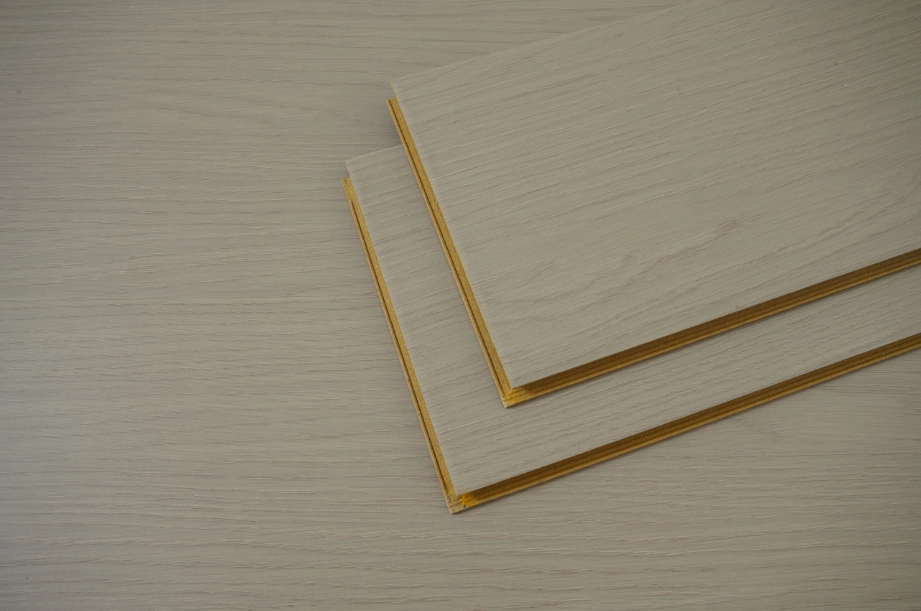
Why Do Abrasive Tools Cause Permanent Floor Damage?
Cuts mark one of the top gripes after fitting laminate surfaces. In numerous instances, upkeep gear serves as the true source. Before checking the hazards, it proves key to grasp how outer shielding operates.
Scratch Formation on Protective Coatings
Metal wool, stiff-brush tools, or coarse pads can mark the wear layer swiftly in mere moments. Even minor cuts pierce the outer barrier. As a result, the surface turns open to grime collection. Once marks form, they spread easily since grit lodges in the harmed spots.
Reduced Abrasion Resistance Performance
YEHUI laminate flooring undergoes tests for rub resistance per global norms. Coarse gear undoes this gain by hand-rubbing the outer area. Gradually, spots tended with rough tools display quicker thinning, above all in passages and front sections.
Loss of Visual Consistency Across Panels
Marks seldom show in balanced ways. Certain planks appear muted, while others retain shine. Such patchy views lessen the neat, flowing sight that laminate flooring offers. Gentle fiber mops and suction units set for firm floors rank as the securest picks.
Why Is Ignoring Manufacturer Cleaning Guidelines a Common Error?
Numerous people figure all laminate surfaces handle cleaning alike. This view frequently sparks needless harm. YEHUI supplies straightforward upkeep and care directions drawn from item build and outer handling.
Mismatch With Laminate Surface Technology
Varied laminate surfaces apply distinct top finishes. Some stay flat, others gain light roughness, and some feel sleek. Upkeep ways fitting one top might harm another. Overlooking directions equates to opposing the surface’s plan rather than aiding it.
Reduced Compatibility With Locking Systems
Upkeep approaches influence beyond the outer layer. Surplus dampness or force at links strains connection setups, even sturdy ones. YEHUI connection shapes aim for firmness, yet they depend on fitting tending.
Shortened Product Service Life
Wrong upkeep cuts the practical span of laminate flooring. Items meant to endure years face early swap, raising overall setup expenses. Sticking to maker counsel offers an easy path to guard the first outlay.
Why Does Skipping Regular Dust Removal Create Hidden Problems?
Certain upkeep slips arise from underdoing tasks instead of overdoing them. Grit seems benign at first glance. However, neglecting it leads to steady, unseen harm over periods.
Micro-Particle Grinding Effect
Tiny grit and grit bits function like rough paper beneath walking steps. Every stride rubs bits against the outer layer, thinning the shield bit by bit. This outcome appears often in doorways, halls, and wide business areas.
Accelerated Wear in High-Traffic Areas
Lacking steady brushing or suction, busy walk zones thin out far quicker than quiet spots. The surface holds firm in build, but looks worn in sight.
Decline in Overall Floor Appearance
Grit piles mute the surface and cloud hue sharpness. Even thoughtfully planned areas begin seeming neglected. Basic daily grit clearing maintains laminate surfaces in neat state with little work.
Conclusion
YEHUI laminate flooring aims for lasting strength, firmness, and routine ease. Even so, solid items require apt tending to work as planned.
Steering clear of extra dampness, severe agents, coarse gear, and bad upkeep ways yields true gains across time. Through fitting methods, laminate flooring holds its build, looks, and worth for extended periods. Wise tending lacks complexity. It simply calls for awareness of pitfalls to dodge.
FAQ
Q1: Can steam mops be used on laminate flooring?
A: Steam mops do not suit use. Warmth and dampness might enter links and harm the HDF center, even in fine-grade laminate surfaces.
Q2: What is the best cleaner for YEHUI laminate flooring?
A: A soft laminate surface solution or a scarcely moist fiber mop using fresh water handles standard tending adequately.
Q3: How often should laminate floors be cleaned?
A:Grit clearing ought to occur multiple times weekly in active zones. Moist tending may follow as required, based on foot flow and application.



 English
  Spanish
  Arabic
  French
  German