

Engineered wood flooring remains a favored option for both homeowners and companies because of its strong build, pleasing look, and simple upkeep. Yet, even tough floors can face small issues as time goes on. These might stem from regular walking, items that fall, or shifts in dampness levels, and knowing how to handle them fast can extend the life of your surface. This piece outlines useful steps to mend minor problems on engineered wood flooring, with a spotlight on YEHUI’s reliable flooring lines, such as the QH1925, QH1909, and QH1901 series.
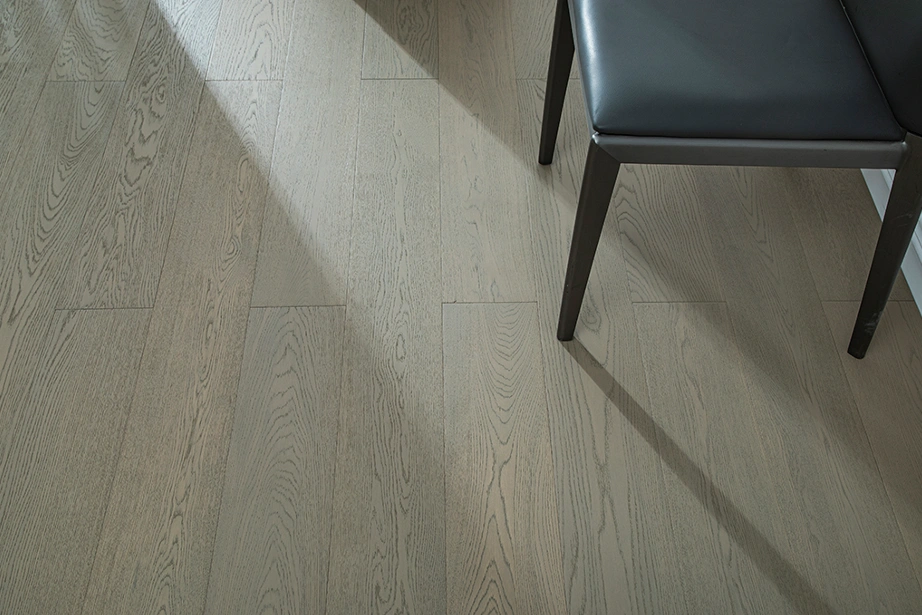
Why Might Small Damages Occur on Engineered Wood Flooring?
Although engineered wood floors are made to last through many years, they cannot avoid all signs of use and strain. Spotting the reasons for these small issues marks the starting point for stopping worse problems and discovering speedy solutions.
Common Causes of Minor Floor Damage
Everyday actions that add pressure to the surface often lead to surface marks, presses, and other slight harms, and these include the following points.
- Heavy Furniture: Lacking guard pads, pieces like chairs or tables can create lasting marks.
- Sharp Objects: Things like keys that drop, animal nails, or pointed shoes can lead to marks and presses.
- Humidity Changes: Real timber swells and shrinks with water content, which might result in spaces, bending, or twisting.
- Cleaning Tools: Rough or wrong cleaning supplies could scratch or fade the surface coating.
Product-Specific Vulnerabilities on QH1925
The QH1925 line, stands up well against regular wear, but it may still face surface rubs from pointed items. And while this item offers strong defense against wetness, sharp swings in dampness could cause minor swelling and pulling back.
Environmental Factors Affecting QH1909 and QH1901
The QH1909 and QH1901 lines feature layered builds that deliver solid steadiness, yet surfaces in busy spots or rooms with changing warmth levels, such as those close to glass openings or entrances, might see light surface marks or tiny presses. For example, strong sun rays or heavy dampness can make the floor shrink, resulting in narrow openings or soft sounds when stepped on.
How Can I Quickly Repair Surface Scratches on Engineered Wood?
Surface marks rank as the usual kind of harm and can get fixed with basic steps, since such quick actions not only bring back the floor’s look but also stop added issues from forming.
Using Wax or Repair Kits for QH1925
When dealing with light marks on the QH1925 line, a wax filler or fix kit serves as a great pick, for these sets usually include various wax shades that one can put into the mark to cover the space. Once the wax goes on, one should softly rub the spot to mix the mend with the nearby timber, and this way works nicely on tiny, not-deep marks while keeping the floor’s true style without needing expert help.
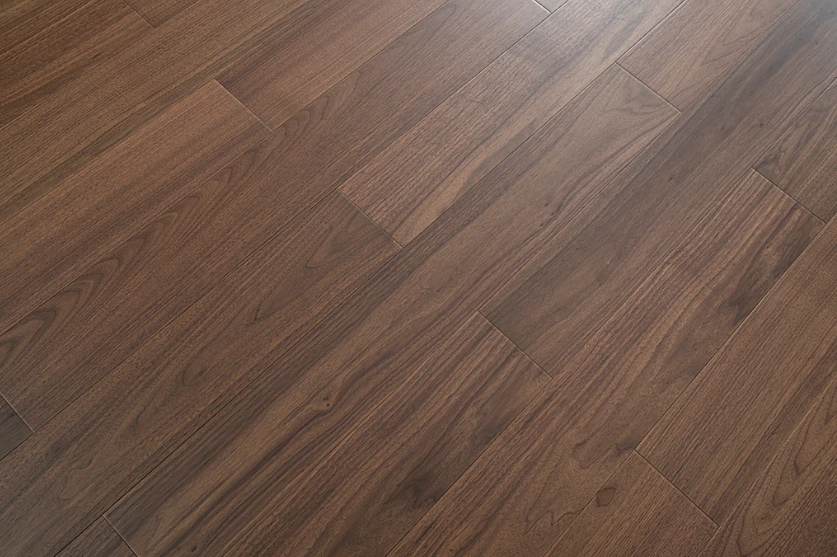
Touch-Up Pens and Fillers for QH1909
The QH1909 line comes with a even coating that resists rubs quite well, so for small marks, a touch-up pen or filler turns out to be just the right aid. One picks a filler close to the timber shade and puts it on the harmed spot, then lets it set before rubbing to return the floor’s look, and this approach proves most useful for the tougher, rub-proof coating in the QH1909.
Light Buffing and Polishing for QH1901
On engineered wood surfaces such as the QH1901, a gentle rub with a soft fabric or fine pad can aid in clearing away small marks, and after that step, adding a coat of timber shine helps restore the floor’s glow and guard layer. One must take care to choose a shine made just for engineered wood, which avoids extra layers that might make the surface lose its clear look as time passes.
What Is the Best Way to Fix Slight Dents or Gouges?
Presses or deep cuts present tougher challenges than surface marks, but they remain doable with suitable tools and methods.
Material-Matching Filler for Birch-Core QH1925
The QH1925’s thick birch-core setup gives it great lasting power, yet serious cuts can happen anyway, so for those, one needs a filler that fits the material closely. Such a filler should match the timber’s shade and pattern as much as possible, and after putting it into the cut area, a smoothing tool like a putty knife helps level it with the rest of the floor. When it dries fully, a light sand and a guard coat finish the job nicely.
Heat-Activated Compression Method for QH1909
Regarding the QH1909, a warmth-triggered press technique can ease presses from weighty items or falls, since placing a wet cloth under a warm iron applies the needed heat over the spot. This mix of water and warmth makes the timber swell back to form, and once the press lifts, rubbing the area with a timber coat or fix item blends it right in without notice.
Wood Putty Solutions for QH1901
For stronger presses in the QH1901, timber putty offers a solid choice, as one selects a putty matching the wood shade and applies it straight to the press. A scraper or flat tool smooths the top, and after letting the putty set for a few hours, a gentle sand makes it even before adding a coat to shield the mend.
When Should I Replace a Plank Instead of Repairing It?
Many small harms can get handled through fast steps, but some situations call for swapping out a harmed board as the wiser path.
Severe Damage Beyond Surface Level
When harm runs deeper than the top layer, like breaks or build issues, swapping the board might be due, for a core problem such as major twisting cannot get solved by top fixes and needs an expert to swap the troubled part.
Product Life-Cycle and Warranty Considerations
If the surface falls under a warranty and the harm goes past what it covers, changing the hit board could be required, so one should review the warranty rules to check if the issue fits for a swap.
Avoiding Repeat Repairs Through Proper Installation
Poor setup counts as a key reason for surface harms, and if a board keeps getting hit due to setup errors like bad base prep or wrong gaps, then swapping it and fixing the main cause will block future troubles.
How Do I Protect Engineered Wood Flooring from Future Damage?
Stopping issues ahead beats fixing them later, and setting up good care habits along with guard steps can keep the engineered wood surface in fine shape for a long while.
Routine Cleaning and Maintenance Tips
Steady sweeping and sucking up dirt helps block grit and bits from marking the floor, while steering clear of soaked mops or strong cleaners avoids harm to the coat, so a damp fine cloth paired with a safe wood wash works best instead.
Protective Products and Mats for QH1925/QH1909
In order to guard busy zones, laying down covers or pads by doors or below heavy pieces cuts down on daily strain, and for lines like the QH1925 and QH1909, these aids lessen the effects of normal use.
Monitoring Environment to Prevent Moisture or Impact Issues
One should shield the floor from wild dampness or warmth shifts by using a moisture adder in cold seasons to hold steady air levels, and likewise, keeping it from long sun hits stops color fades and twists.
FAQ
Q1: How often should I repair my engineered wood floor?
A: Handling small harms right when they show up proves best to keep them from growing worse, and steady upkeep like gentle washing and rubbing can aid in holding the floor at its peak look.
Q2: Can I use any wood filler to repair scratches on engineered wood?
A: Picking a filler that fits the exact timber type and coat of the engineered surface is wise, since this leads to a smooth mend that mixes well with the nearby areas.
Q3: Is it possible to fix large gouges in engineered wood flooring myself?
A: Large cuts can get mended with a mix of timber filler, putty, and right finish steps on one’s own, but for build harms, reaching out to an expert ensures a solid and lasting fix.



 English
  Spanish
  Arabic
  French
  German