

In flooring choices, few subjects stir up more mix-ups than parquet, herringbone, and chevron. At a quick look, all three use arranged setups and wood feel to form a room. But when you examine them further, the contrasts begin to count, particularly in jobs that call for tailored sizes, layered builds, or big business applications.
For makers like YEHUI, these setups are more than design labels. They point to varied making methods, build options, and job results. Grasping those contrasts aids creators, builders, and purchasers in selecting a floor that functions well in sight and daily practice.
What Is the Real Difference Between Parquet, Herringbone, and Chevron Flooring?
On the top layer, parquet, herringbone, and chevron often get lumped as “arranged wood floors.” That tag conceals key splits. Each setup sticks to a unique shape rule, which shapes the floor’s appearance, its creation process, and the spots where it shines best.
Pattern Geometry and Visual Rhythm
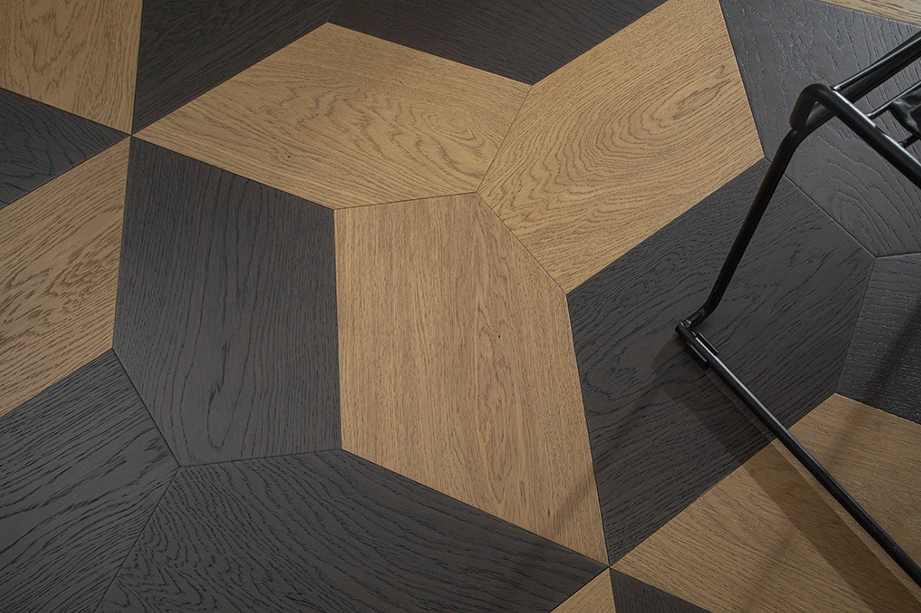
Parquet flooring rests on block-based shapes. Tiny wood pieces come pre-set into repeating sections, building squares, oblongs, or fancier arrangements. The beat stays even and building-like. Rather than drawing the gaze one way, parquet builds a focused, fancy vibe. This draws it to spots like hotels, arts areas, and top homes where the floor joins the room’s style.
The LZY06 parquet flooring sticks to this method, with clear blocks that keep steady sight order over bigger zones.
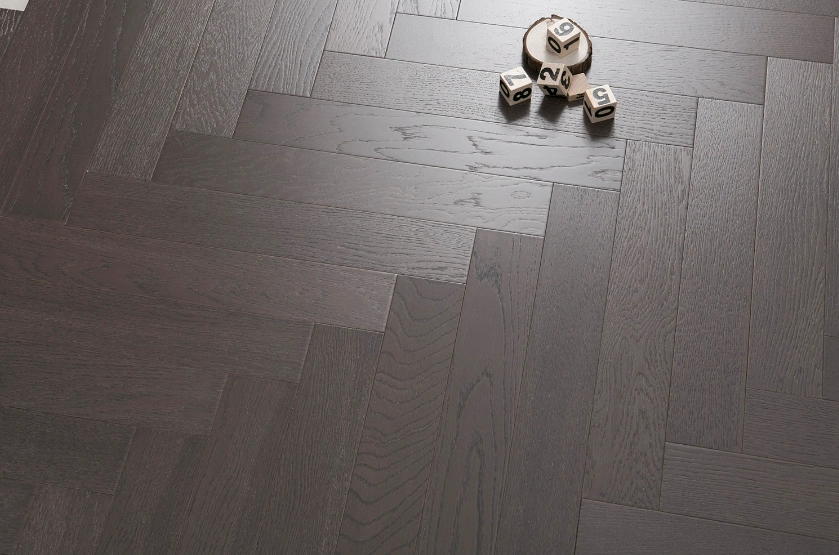
Herringbone flooring takes straight planks placed at square corners, making a jagged line pattern. The setup brings motion without seeming too pointed. Lines cross and change, adding layers and feel to the top. Since the corners lock at 90 degrees, the style feels enduring, even with fresh coatings.
Chevron flooring points more one way. Planks get cut at even corners, often 45 or 60 degrees, so tips form a neat V. This builds long, direct lines that lead the gaze ahead. The beat stays keen and exact, linked to fresh rooms or strict building plans.
Manufacturing Structure and Material Logic
Shape guides the making. Parquet flooring counts on spot-on block measures and section steadiness. With the setup locked into blocks, sharp work in the plant matters most. After sections form, site setup turns more reliable.
Herringbone and chevron shift the emphasis. In these, plank size, corner sharpness, and side quality take center stage. Chevron especially needs exact corner slices so links line up smooth over the whole top. Any shift pops right in the end setup.
Layered building alters how these setups act. A layered base boosts firmness and backs trickier arrangements without heavy full wood. The Multilayer JY8103 shows this path, giving a build that fits parquet blocks as well as straight setups like herringbone.
Spatial Suitability and Design Application
Parquet suits spots where evenness and flair count. Front halls, gathering rooms, small hotels, and key living zones often gain from its ordered look. The floor turns into part of the building tale, not mere base cover.
Herringbone matches a broad set of areas. Its arrangement adds feel without taking over. It bends well to home jobs, shop zones, and hotel insides that seek coziness with some shift.
Chevron asks more. Since the setup drives the gaze one path, it fits best in thought-out plans. Long paths, open living spots, or fresh business areas often profit from its neat lines and firm sight flow.
Which Flooring Pattern Fits Your Space Better?
Picking among parquet, herringbone, and chevron leans less on fads and more on room sense. Each setup responds in its own way to area form, light, and setup of items.
Room Proportion and Layout Direction
Parquet proves easygoing. With its setup spreading fair, it avoids stressing room length or breadth. Thus, it works for boxy or odd areas where evenness matters.
Herringbone can widen a spot in sight. When planks follow the longer wall, the arrangement quietly lengthens the area. This works fine in flats and mid-size rooms.
Chevron stays touchy. Its lines stress path, so the area plan must back that move. In slim or tricky spots, the setup might feel too edged if not mapped out right.
Interior Style and Atmosphere Goals
Parquet hints at skill and past. Even with new coatings, it holds a feel of care and plan aim. It fits rooms that prize personality and stacked sight draw.
Herringbone rests easy between old and new. The Brown Brushed Herringbone flooring displays how real shades and top feel can ease the shapes, letting the setup suit home and business jobs alike.
Chevron gives a fresh and building sense. The neat V links build order and clearness, often matched with plain rooms and bold straight items.
Customization Flexibility and Design Control
Arranged flooring picks up worth when tailoring joins the steps. Tweaking plank measure, section size, or shade level lets the floor line up with the job, not bend to it.
YEHUI’s job-focused efforts usually kick off with area wants over set forms. Shades, sizes, and arrangements get tuned to match building plans and room ideas. This way lets parquet blocks, herringbone beats, and chevron lines fit one design view without pushing trade-offs.
Is Parquet Flooring Always More Complex Than Herringbone or Chevron?
Parquet gets viewed as the trickiest pick. That idea does not always hold true. Trickiness hinges on plan aim and making prep, not merely setup kind.
Pattern Complexity vs Production Precision
Parquet may look layered in sight, but block making eases setup steps. Once sections shape up, arrangement turns orderly.
Herringbone and chevron might seem plain, but call for sharper work in plank slicing and lining. Tiny slips echo over the floor, so exactness stands vital.
Design Intent vs Actual Construction Logic
With clear plan goals, parquet can run smooth. A set block repeated over an area cuts site choices.
Chevron, however, offers slim space for tweaks. Each plank needs perfect match, upping needs on making steadiness.
Project Type and Long-Term Use
Hotel and business jobs lean toward sure results. Block parquet and layered builds aid steady looks over wide zones. Home jobs might stress sight coziness and bend, where herringbone fits smooth.
How Do YEHUI Products Support Different Flooring Patterns?
YEHUI tackles arranged flooring via build-first views. The aim stays to base design picks on solid making, not just top sights.
Parquet Solutions for Decorative Spaces
The LZY06 parquet flooring centers on block order. Sections build sight depth while holding setup grip, suiting key areas and plan-led jobs.
Herringbone Flooring for Balanced Interiors
The Brown Brushed Herringbone flooring brings real shade and tuned feel. It backs rooms seeking setup without overkill, fitting home and blended zones well.
Multilayer Structure for Flexible Design
The Multilayer JY8103 gives a firm ground for varied setups. Its build allows tweaks in size and arrangement, so creators can shape flooring to exact area wants.
Which Flooring Pattern Should You Choose in the End?
The best setup matches the job’s sense. Parquet, herringbone, and chevron serve as aids, not blind styles.
Design Priority and Visual Preference
Some areas call for flair, others for path, and some for evenness. Seeing what the spot needs clears the pick.
Space Condition and Project Type
Area form, role, and lasting wear outweigh setup fame. Flooring ought to aid how the spot gets used, not clash with it.
Product Structure and Custom Possibility
Layered building and job-tailoring make arranged flooring bendy. When build and plan join forces, the setup feels right, not pushed.
FAQ
Q1: Is parquet flooring only suitable for luxury projects?
A: Not necessarily. Parquet is often linked to high-end spaces, but modular designs and multilayer structures allow it to work in a wide range of projects, including residential and commercial interiors.
Q2: Does herringbone work better in small rooms than chevron?
A: In many cases, yes. Herringbone’s broken zigzag softens visual direction, making it easier to use in smaller or less regular spaces compared to chevron’s strong linear flow.
Q3: Can patterned flooring be customized for specific projects?
A: Yes. Dimensions, layout scale, and color tone can be adjusted based on project needs, especially when multilayer structures are used as the base.


 English
  Spanish
  Arabic
  French
  German