

Before you confirm a flooring order, you need to test flooring samples with the same care you would give to any visible project material. A photo can show color, but it cannot show how the surface feels, how the tone changes under real lighting, or whether the board matches nearby furniture, wall panels, and doors. For distributors, designers, and project buyers, a wrong flooring decision can lead to color disputes, delayed approval, or a sample that looks good alone but fails in the actual room. This guide shows how to test flooring samples before purchase, compare options fairly, and use the result to make a clearer final decision.
Why Should You Test Flooring Samples Before Committing
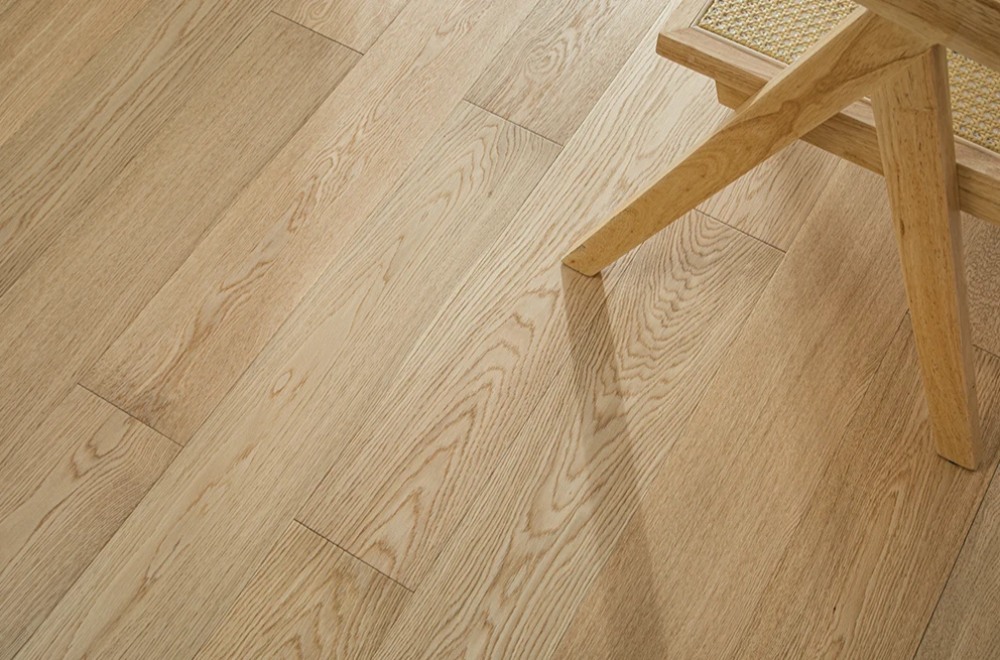
A flooring sample should answer the questions that product photos cannot answer: real color, surface feel, edge quality, and whether the board suits the room materials around it. It also helps you discuss the product more clearly with your supplier before the order moves forward.
YEHUI works with Engineer wood flooring, parquet flooring, Chevron wood flooring, and Herringbone flooring for residential and project-based buyers. The company supports sample discussion, product matching, OEM&ODM needs, and quality communication before larger orders. For buyers, this is useful because flooring affects design, cost, delivery, and later approval from the client side.
Color and Texture Checks
Place each sample near the actual wall finish, furniture material, door color, and lighting source. Check it in morning light, afternoon light, and artificial light. Some floors look warmer under yellow lighting and cooler under white lighting. You should also touch the surface. A sample may look smooth in a photo but feel more textured in hand.
If you are learning how to test flooring samples, start with what the eye and hand can confirm first. This simple step can prevent choosing a floor that looks attractive alone but feels wrong in the finished space.
Surface Finish and Daily Use Feel
Do not only view the sample from above. Tilt it toward the light and check how the finish reflects. A brushed or oiled surface may feel softer and more natural, while a smoother coated surface may suit a cleaner modern room. The practical side of sample testing is simple: you are checking how the board behaves before it becomes part of a larger order.
If the room plan needs a lighter oak look and a surface that does not feel too polished, QH1902 is a practical sample to request. Its brushed and oiled finish gives you something concrete to check under real lighting: grain depth, surface touch, and whether the tone works with pale walls or warmer furniture.
Edge and Board Detail
Look at the edge, profile, and surface layer. Is the edge clean? Does the board lie flat? Does the finish look even from side to side? These details are small, but they often show whether the sample is ready for serious project comparison.
How To Compare Flooring Samples Before Purchase
One sample can look good by itself. Two or three samples shown together give you a better answer. This is why buyers should avoid approving a product from a single board viewed in isolation. Comparison makes color depth, grain movement, surface gloss, and board structure easier to judge.
Side-by-Side Sample Review
Lay the samples flat in the same position and view them under the same light. Do not hold one sample near the window and another under indoor lighting, because that creates an unfair comparison. The better sample is not always the most eye-catching one. For a project order, it should also be the one that stays consistent with the room style, approved budget, and expected product structure.
This is the most useful way to handle how to compare flooring samples before purchase. Keep notes and photos, especially if more than one person needs to approve the material.
Light Tone or Dark Tone Decision
QH1902 and QH1925 create different visual directions. QH1902 works better when you want a lighter oak tone and a calmer natural texture. QH1925 should be compared when the project direction is darker, quieter, and more formal. Its black walnut appearance and smooth matt UV coating make it useful for checking whether a deeper floor tone supports the design or makes the room feel too heavy.
Project Style Matching
For clean, simple rooms, a calmer board may be easier to approve. For decorative interiors, patterned floors or a Unique artistic parquet floor may add more identity. If the project needs Chevron wood flooring, Herringbone flooring, or parquet flooring, ask for samples that show the pattern direction, not only the color.
What Key Tests Should You Perform on Flooring Samples
You do not need complicated tools for a first sample check. What you need is a repeatable method. Use the same test method every time you test flooring samples, so the result is easier to compare.
| Test Item | What To Check | Why It Matters | Buyer Decision |
|---|---|---|---|
| Color Test | View under different lighting | Prevents color mismatch after ordering | Approve only if it matches nearby materials |
| Texture Test | Touch and view the surface angle | Helps judge visual and cleaning expectations | Reject if the surface feel conflicts with the project style |
| Scratch Check | Use light daily-contact testing | Shows first-round surface resistance | Ask for finish details if marks appear too easily |
| Water Response Check | Place a small amount of water briefly, then wipe dry | Compares surface protection | Use as screening only, not as a wet-space claim |
| Stability Check | Lay samples flat for several days | Shows whether the board remains even | Keep only samples that remain visually stable |
| Supplier Check | Confirm structure, finish, and product code | Reduces sample-to-order confusion | Match the approved sample with written order details |
Flooring Durability and Stability Test
A flooring durability and stability test should begin with simple handling. Press the surface by hand, check the board edge, and place the sample flat on a clean surface for several days. Watch for obvious curling, unevenness, or finish problems. Do not treat this as a laboratory report. Treat it as first-round screening before asking for more product details.
For Multi-Layer Engineered Wood Flooring, ask whether the sample structure matches the planned order. A display sample that differs from the later production material can create confusion.
Water Response Check
You can test flooring samples for water resistance by placing a small amount of water on the surface for a short time and wiping it away. This is only a surface response check, not a promise that the product is suitable for wet spaces. If water marks appear quickly or the edge reacts poorly, ask the supplier for more details before deciding.
Finish Consistency
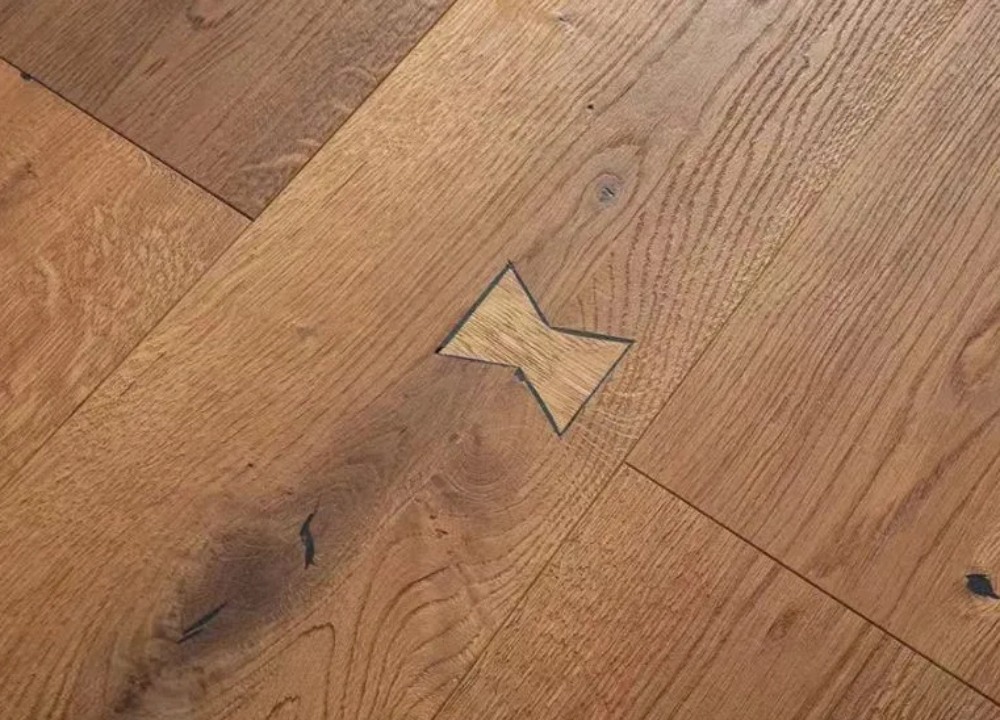
Check whether the coating, oiling, or surface treatment looks even across the sample. On decorative flooring, uneven finishing can become more obvious after a larger area is laid. FD-YH-01 is better reviewed as a full design sample rather than only a color option. Its European Oak surface, 3-ply core, hand-oiled and reactively stained finish, and T&G / Click Lock options give buyers several details to check at once: board proportion, surface tone, edge profile, and the visual weight of a wider format.
How To Verify Flooring Quality Before Ordering
After sample testing, you still need supplier-side confirmation. This is where many buyers make mistakes. They approve a good-looking board but forget to confirm whether the final order will follow the same product code, structure, finish, and surface treatment.
To verify flooring quality before ordering, match the approved sample with written product details. Ask for the board size, thickness, finish, core material, edge profile, packaging method, and production communication process. This step is not paperwork for its own sake. It protects the buyer, designer, distributor, and end client from later misunderstanding.
Sample-to-Order Consistency
Keep one approved sample as a physical reference. Mark the product code, finish, sample date, and supplier contact. If you approve QH1902 for an oak-toned Engineer wood flooring project, later discussions should stay tied to that exact product code and agreed finish.
Sample Approval Record
Before placing a larger order, keep a simple sample approval record. It should include the product code, sample date, selected finish, board size, structure, surface treatment, and photos taken under real project lighting. This record is useful when several people are involved in approval, such as the buyer, designer, distributor, and end client. It also reduces confusion later, especially when you need to confirm whether the production order should follow QH1902, QH1925, FD-YH-01, or another approved sample.
Budget and Value Review
A cheaper sample may look acceptable at first, but check whether the structure, finish, and supplier communication support your project requirements. A better buying decision balances appearance, product detail, production clarity, and long-term use expectations.
Where Should You Go After Testing Flooring Samples
After you test flooring samples, the final choice should come from three points: the sample appearance in the real space, the product structure behind the sample, and whether the supplier can keep the approved sample clear during order communication.
If your sample test result is mainly about a natural oak tone, soft surface texture, and a lighter interior mood, QH1902 should stay on your shortlist. If the project needs a deeper color with a more formal look, QH1925 is easier to compare against darker furniture, wall panels, or hotel-style rooms. If your priority is a wider board format with a more mature surface effect, FD-YH-01 is worth checking as a separate sample rather than judging it from photos.
If your sample review is still unclear, prepare the product code, target room style, preferred tone, board format, estimated order quantity, and photos of the space or material board. This makes the discussion more efficient and helps YEHUI compare the flooring samples against your real project needs. You can share these details through the contact page and ask for product information that matches your purchasing stage.
FAQ
Q: How many flooring samples should I test before buying?
A: It is better to test flooring samples in at least two or three close options. One sample may look good alone, but comparison helps you see differences in tone, texture, finish, and structure more clearly.
Q: Can I test flooring samples at home or in a project office without special tools?
A: Yes. You can check color under different lighting, feel the surface by hand, compare samples beside furniture or material boards, place them flat for several days, and do a small water response check. Keep the process simple and consistent.
Q: What should I ask the supplier after testing samples?
A: Ask whether the approved sample matches the final order in size, finish, core material, color range, and product code. You should also ask how the supplier records sample approval before a larger order is confirmed.


 English
  Spanish
  Arabic
  French
  German