

Putting laminate flooring on stairs can totally transform a home’s vibe. A nicely done staircase links levels smoothly and makes a bold style choice. However, stairs prove tough spots for laminate. Tiny errors that slip by on level surfaces quickly appear on steps.
YEHUI provides various laminate flooring options suited for home builds where looks, steadiness, and lasting results count. Items like LZ901, ZF1511, and ZF1508 get picked for stair jobs because of their even build, smooth top layer, and adaptable style choices.
Before diving into specifics, it’s useful to grasp why stair setups demand extra attention. Every step brings borders, slants, and shifts that call for exact work. Steering clear of these eight errors creates a staircase that appears polished, rather than one that catches eyes for bad reasons.
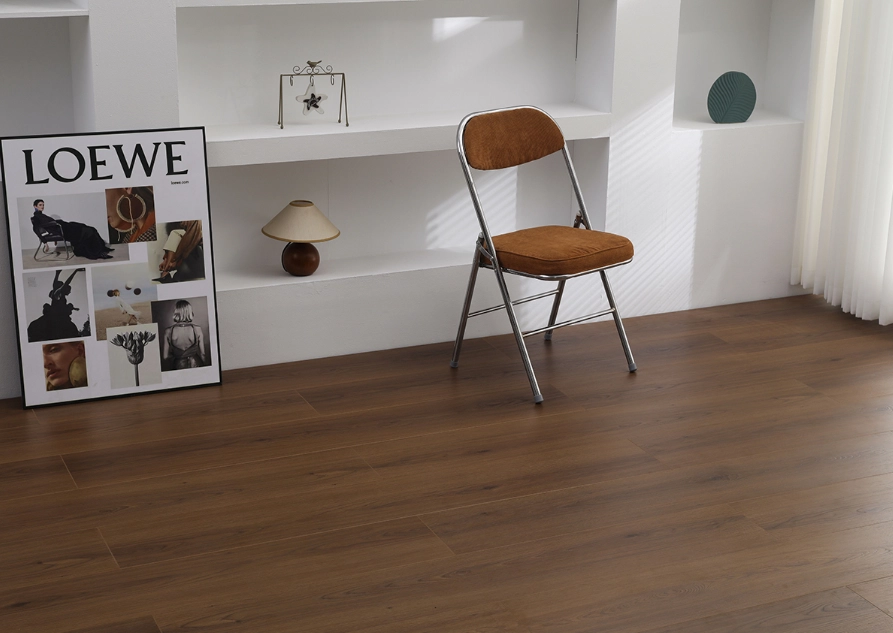
Choosing the Right Stair Components Before You Start
Stair tasks seldom turn out well if treated like regular floor work. Treads, risers, nosing, and trim all fit together, and delaying choices often causes hasty repairs down the line.
YEHUI laminate lines, such as LZ901 and ZF1511, frequently match with fitting stair parts to maintain steady visuals. Panel depth, border form, and step width need checking before cuts start. It’s normal for stairs to differ a bit in rise or run, particularly during updates.
A solid parts outline at the beginning prevents clashing surfaces or odd shifts as the job progresses.
Not Allowing Proper Acclimation of Laminate Boards
A frequent blunder occurs right before setup begins. Laminate panels pulled fresh from boxes and placed on stairs often respond badly to house settings.
YEHUI laminate flooring comes from steady factory setups, yet after arrival, panels require time to match the space’s conditions. Changes in warmth and moisture can influence how panels adjust.
Letting laminate sit in the work zone for the advised time cuts down on future shifts. On stairs, where panels fit snugly and stay locked in place, bypassing this can cause clear spaces or strain along borders.
This process might seem drawn out, but it prevents hassle and wasted effort ahead.
Ignoring Stair Tread and Riser Preparation
Top-quality laminate can’t mask sloppy stair groundwork. Bumpy treads, wobbly risers, or dirt spots will peek through after panels go down.
Prior to placing ZF1508 or similar laminate on stairs, inspect every step for flatness, solidity, and tidiness. Past glue, paint spots, or slight level variations across steps can disrupt the whole setup.
Groundwork usually means smoothing peaks, patching shallow lows, and securing shaky parts. When laminate rests evenly and firmly, the end look stays sharp and the feel underfoot stays reliable.
Solid groundwork seldom draws attention, and that’s the goal.
Skipping Expansion Gap Planning on Stair Runs
It’s simple to miss expansion gaps on stairs since panels get nailed down instead of floating. Even so, laminate requires space to handle shifts in room conditions.
Such gaps typically appear at borders by walls, platforms, or where stairs join other floor zones. Lacking right spacing, tension builds and leads to slight raises or tension marks near edges.
YEHUI supplies matching borders that conceal needed gaps while keeping the sightline smooth. If borders get planned early, the space for growth hides well and the staircase holds a neat close.
This minor point often marks the line between thorough effort and hurried output.
Incorrect Layout and Board Direction on Stairs
Layout choices impact far beyond looks. Bad planning brings clumsy slices, uneven extensions, and patchy step fronts.
Before locking down panels, try laying out a few steps without glue. This reveals how seams line up and if slices land in obvious spots. For patterns in LZ901 that mimic real wood grains, the angle affects light play over the stairs.
A well-thought layout builds flow and evenness, particularly on extended runs. Hurrying here often yields steps that seem cluttered or off-kilter.
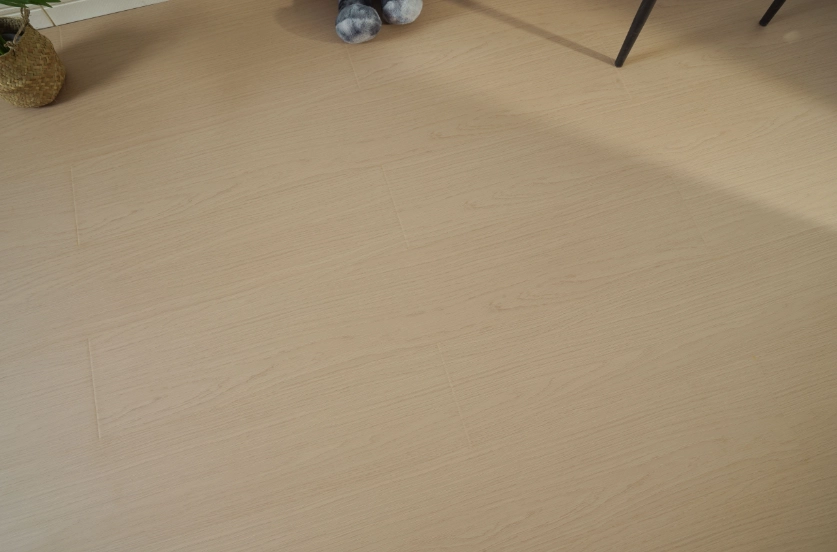
Improper Cutting and Fitting at Nosing and Edges
Stair nosing stands as one of the clearest views in the setup. Spaces, jagged slices, or lopsided borders jump out right away.
Laminate panels demand careful cuts for a snug match to nosing shapes and risers. This counts extra when using styled tops like ZF1511, where straight lines boost the full design.
Picking proper tools and measuring twice ensures even seams. If borders join well, the staircase seems complete instead of pieced up.
Not Securing Boards Properly on Each Step
Flat floors differ from stairs, where laminate needs full anchoring. Panels not held right can slide, make creaks, or seem wobbly.
Based on the stair build, panels might get adhered, screwed, or combined. The key is steady hold and uniform attachment over each tread and riser.
YEHUI laminate panels feature firm bases that aid strong anchoring if set up right. Precise positioning here stops later slides and keeps the staircase sturdy long-term.
Forgetting Finishing Touches That Elevate the Look
With panels set, it’s easy to call it done. Yet, closing details often set the pro level of the staircase.
Fitting borders, crisp border runs, and smooth links to close floors all play a part. YEHUI gives tailor options for shade matching, so stair pieces flow with nearby rooms.
A last check spots issues like crooked border runs or seen glue traces. These bits look small, but they form the main view. Strong closers change a basic staircase into a style standout.
Conclusion: Best Practices for Long-Lasting Stair Laminate
Setting up laminate flooring on stairs calls for greater forethought and accuracy than plain floor zones. Many issues stem from missed steps, quick calls, or ignored bits.
By picking fitting items like LZ901, ZF1511, and ZF1508, readying stairs well, and dodging usual pitfalls, a laminate staircase can appear tidy, even, and well-blended in the house. Using the correct method, stairs shift from trouble spots to key features.
FAQs
Q1: Can laminate flooring really work on stairs long term?
A: Yes. When laminate gets chosen wisely and set with solid anchoring ways, it holds up fine on stairs. Groundwork and firm setup outweigh all else.
Q2: Do stair laminate colors have to match the main floor exactly?
A: Not always. Lots of jobs use linked shades over perfect twins. YEHUI supplies shade tailoring to reach an even style per job wants.
Q3: Is stair laminate installation harder than flat flooring?
A: It takes more detail and time. Stairs mean extra slices, borders, and line work, so smart planning and apt supplies shift the outcome greatly.



 English
  Spanish
  Arabic
  French
  German