

For an importer or flooring distributor, choosing an engineered wood flooring supplier is a supply decision, not only a product decision. A sample may look right in a showroom and still create problems later if the factory cannot repeat the approved construction, keep dimensions consistent, or communicate clearly when an order changes.
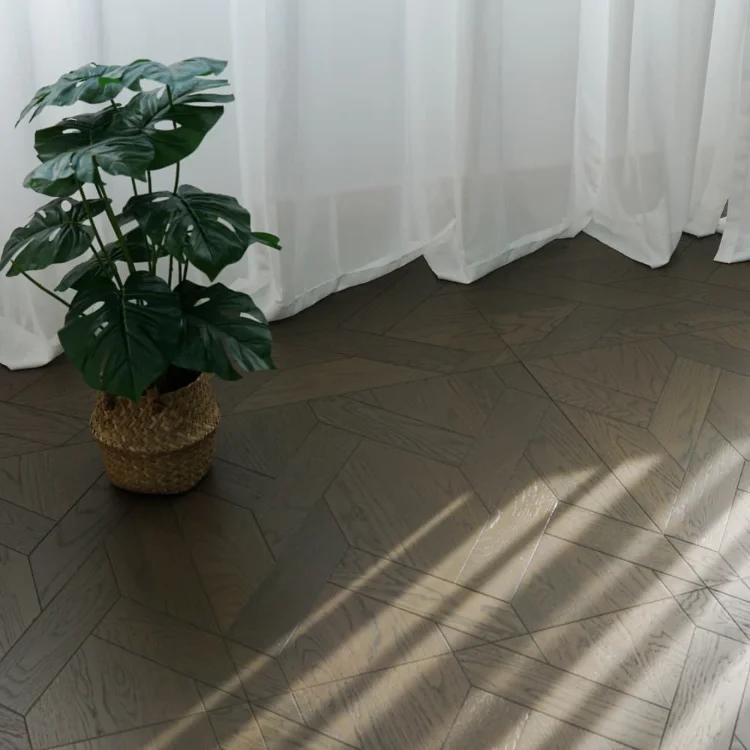
The practical way to compare suppliers is to review the product structure, sample control, customization process, quality checks, production capacity and B2B service together. YEHUI supplies multi-layer engineered wood flooring, parquet flooring and OEM/ODM flooring solutions for overseas building-material partners. The points below can help buyers decide whether a factory is suitable for a long-term program.
Start With the Product Construction You Actually Need
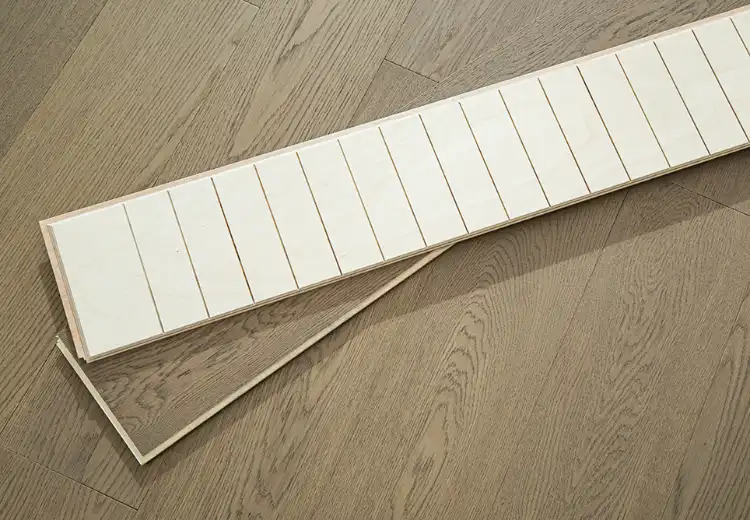
“Engineered wood flooring” covers several constructions and surface options. A buyer should first define the product that will be sold, specified or included in a project. That means confirming the plank format, wear and surface treatment requirements, top wood selection, core construction, edge profile and the level of customization required.
For B2B procurement, the key question is repeatability. The factory should be able to explain which parts are standard, which parts can be changed, and which changes affect cost or lead time. A supplier that says every detail is possible without explaining the limits is difficult to manage. A supplier that provides a clear specification path is easier to quote and easier to scale.
YEHUI describes its flooring range around Multi-Layer Engineered Wood Flooring, parquet flooring and patterned products. Its engineered wood flooring collection gives buyers a starting point for comparing available constructions and surface directions before requesting a project quotation.
Check Whether the Factory Can Repeat the Approved Sample
One approved sample does not prove that a supplier can deliver a stable batch. Importers should ask how the sample is recorded and how the production team uses it as a reference. The record should cover the wood appearance, board dimensions, surface treatment, grading direction, edge details and packaging requirements.
This is especially important when a distributor plans to reorder the same design. Natural wood variation is part of the material, but uncontrolled variation can make a collection look inconsistent. A professional supplier should explain which differences are expected and which differences would be treated as a quality issue.
Ask for a sample approval sheet or a written confirmation of the main specifications. Keep the approved sample, the quotation and the production description together. When a revised sample is issued, record what changed. This simple habit gives the buyer a clear reference when discussing a later batch.
Review Customization Without Losing Specification Control
OEM and ODM can be useful for flooring brands that need a private collection, a special pattern or a set of products for a regional market. Custom work is valuable when it follows a controlled brief. The brief should state the target dimensions, wood species, surface appearance, finish, edge treatment, packaging marks and acceptable variation.
The buyer should also decide which elements are fixed. If the plank size, top layer, surface texture and color direction are all open at the same time, every sample may move in a different direction. That slows approval and makes a cost comparison difficult. Fix the business-critical elements first, then adjust the visual details.
YEHUI presents OEM and ODM flooring services for customers that need customized product development. For a first order, the buyer can use the service discussion to separate a standard catalog item from a real custom project. That distinction helps both sides set a realistic sample and production schedule.
Ask How Quality Is Checked Before Dispatch
Quality control should be discussed in practical terms. Ask which dimensions are measured, how moisture content is checked, how surface defects are recorded, and how the factory handles boards that do not match the approved standard. Buyers should also ask whether checks are performed during production or only at the end.
For a flooring importer, consistency across cartons matters as much as the appearance of one board. The factory should be able to connect production records with the order, model and packaging marks. If a problem is found after delivery, a traceable record makes the conversation more specific.
YEHUI’s knowledge materials describe control across wood selection, cutting, drying, moisture control, sanding, sizing, surface treatment and coating. They also describe machine and manual inspection. These are useful points for a buyer to verify during supplier discussions, while the final inspection requirements should still be written into the purchase specification.
Evaluate OEM and ODM Communication
Many flooring problems begin before production. A quotation may omit a key dimension, a drawing may use a different unit, or a product name may mean different things to the buyer and the factory. Before placing an order, test how the supplier handles a detailed inquiry.
Send the same specification to each shortlisted factory. Compare how clearly they answer questions about sample timing, product structure, packaging, minimum order quantity, production lead time and document requirements. A low price is less useful if the buyer has to correct the quotation several times before the factory understands the product.
Communication also matters after approval. A stable B2B supplier should identify changes early, explain their effect and request approval where necessary. This is one reason to assess the factory’s service team alongside its equipment and product range. The YEHUI company profile gives buyers background on its manufacturing bases, product direction and international service focus.
Build a Practical Supplier Shortlist
Use a short evaluation table rather than choosing from price alone. Score each supplier against the same questions:
| Checkpoint | What the buyer should confirm |
| Product fit | Does the supplier already make the required engineered wood flooring or parquet direction? |
| Sample control | Can the approved sample be recorded and repeated? |
| Customization | Are fixed and changeable specifications clearly separated? |
| Quality checks | Are dimensions, moisture, surface and packing checked with records? |
| Capacity | Can the factory support the expected order cycle and reorder plan? |
| Communication | Are quotations, drawings and changes handled clearly? |
| Commercial fit | Do the MOQ, lead time and packaging work for the buyer’s market? |
A supplier does not need to be the biggest factory to be a good match. The better question is whether its product system and working method fit the buyer’s sales channel. A distributor with a curated collection may value flexible development and reliable sampling. A larger importer may place more weight on repeat orders, packaging control and production planning.
Why B2B Buyers Consider YEHUI
YEHUI’s client materials describe a company based in Hangzhou with manufacturing bases in Huzhou and Jinan. The materials also state an operating area of about 83,000 square metres and an annual output value of about 4.5 million square metres. These figures are useful background for a supplier conversation, but buyers should still match capacity to the specific product, finish and order schedule they need.
The company’s product direction includes multi-layer engineered wood flooring, parquet flooring, herringbone flooring and Chevron wood flooring. Its knowledge materials also describe wood selection, controlled processing, product development and service for overseas building-material partners. For a buyer, the value is the possibility of discussing product, design and supply details with one flooring-focused manufacturer.
FAQ
What should an importer ask an engineered wood flooring supplier first?
Start with construction, available dimensions, surface treatment, sample approval, quality checks, MOQ, lead time and reorder control. These questions show whether the supplier can support a repeatable product program.
Is a catalog product better than an OEM product for a first order?
Not always. A catalog product can shorten the approval process, while OEM development may be useful when the buyer needs a distinct collection. The right choice depends on how much of the specification is already fixed.
How can a distributor reduce quality disputes?
Keep the approved sample, quotation, drawings, packing marks and inspection requirements in one order file. Write down acceptable variation before production begins.
What makes a flooring supplier suitable for long-term cooperation?
The supplier should combine product consistency, clear records, realistic customization, responsive communication and a production plan that matches the buyer’s reorder needs.
For importers and distributors, supplier selection becomes easier when every factory is evaluated with the same evidence. Start with the product construction, lock the sample standard, check the production controls and then compare commercial terms. That process gives a flooring program a stronger base than price comparison alone.



 English
  Spanish
  Arabic
  French
  German