

Engineered wood flooring adds warmth and character to modern homes, and its layered structure gives it good stability for long-term use. Even with proper care, small marks or gaps may show up over time. Most of these issues are simple to fix at home, and understanding how to handle them helps keep the floor looking clean and steady. With YEHUI’s multi-layer solutions—such as QH1902, QH1923, and QH1909—homeowners also benefit from strong construction, precise moisture control, and surfaces that handle daily wear better than many ordinary boards.
In the sections below, several common questions and easy repair steps are explained in a straightforward way.
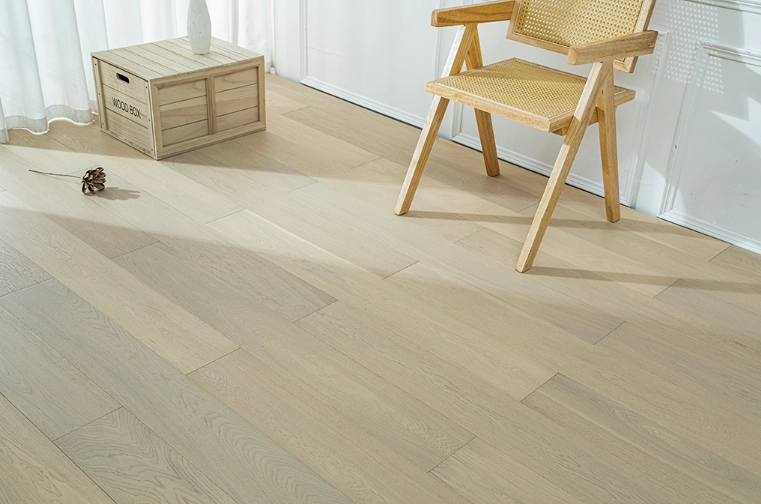
What Minor Issues Usually Appear on Engineered Wood Floors?
Before talking about repair methods, it helps to understand what kinds of small problems tend to appear on engineered wood flooring.
Surface Scratches and Small Marks
Light scratches are probably the most common small damage. These marks often come from moving chairs, dropping small objects, or shoes with rough bottoms. They usually stay on the surface level and do not reach the deeper layers.
Tiny Gaps Between Boards
Some homeowners notice narrow gaps between boards during seasonal changes. Engineered flooring has better stability than solid wood, but mild expansion and shrinkage can still happen. These gaps are normally harmless and easy to handle.
Local Dents or Compression Spots
Occasionally, a heavy chair leg or an object dropped from a height can leave a shallow dent. These dents look worse than they actually are, and many can be lifted or filled with simple tools.
How to Fix Light Surface Scratches at Home?
Once the type of scratch is clear, very simple steps can help soften or hide it.
Gentle Cleaning and Color-Blending Solutions
Before any repair, the scratched area should be cleaned with a soft cloth and mild cleaner. Many light scratches disappear after wiping off dust and residue. For marks that remain visible, color-blending pens or a thin layer of wood wax can soften the contrast. These products blend with the tone of the board and make the scratch less noticeable.
Spot Polishing for Shallow Marks
For very small marks, a soft polishing cloth and a small amount of repair cream work well. The goal is not to make the spot look “brand-new,” but to help it blend naturally into the surrounding tone. This method usually works best on floors with a matte or natural finish.
Choosing Scratch-Resistant Boards Like QH1902
Homeowners planning long-term use often look for boards with better surface treatment. YEHUI’s QH1902 uses a carefully controlled multi-layer structure and detailed surface treatment that comes from its strict production process—from drying and moisture content control to sanding and final finishing. Because each board is checked both by machine and by hand, the surface tends to hold up better during daily use, making small scratches easier to handle later.
What Can Help When Small Gaps Show Up Between Boards?
If a narrow gap appears between boards, a few simple adjustments can help it settle back to normal.
Simple Humidity Adjustment Methods
Engineered flooring reacts to humidity changes. If the indoor air becomes too dry, a small humidifier or even placing plants around the room can help. As the air returns to a normal moisture range, boards often settle back into place on their own. This method usually works best during seasonal transitions.
Using Flexible Wood Fillers for Micro Gaps
For tiny gaps that don’t close by themselves, a flexible wood filler can be lightly applied. This filler moves with the floor and avoids hard edges. The goal is a soft, natural blend instead of a stiff line between the boards.
Stable Multi-Layer Constructions Such as QH1909
A well-built engineered floor reduces the chance of recurring gaps. YEHUI’s QH1909 is one example, featuring oak as the surface and a tightly layered core. The production team controls moisture content carefully, and each board is pressed under high temperature with precise sizing. This gives the board a stable structure that stays flat even when room humidity changes through the year.
How to Repair Local Dents or Pressure Marks?
Dents are a different type of small damage, but most can be improved with simple tools.
Steam-Assist Lift-Up Technique for Small Dents
For shallow dents, lay a damp cloth over the spot and gently hold a warm iron (on steam setting) a couple of inches above for ten to fifteen seconds. The steam makes wood fibers swell and rise. Go slow – you only want to lift the dent, not hurt the finish.
Wax-Based Blending for Deeper Spots
If the dent is too deep to lift, wax repair sticks are very helpful. These sticks can be softened with hand warmth, pressed into the dent, and then lightly buffed. The result doesn’t have to look perfect—just smooth and close in tone.
Precise Surface Strength Seen in QH1923
Some dents are less likely to happen when the flooring itself is built with a strong core and refined top layer. The QH1923 model—available in patterns like herringbone or straight boards—uses selected wood veneers and a high-pressure structure. Each board goes through careful material screening and sanding, which creates a firm surface that handles daily compression better than standard engineered boards.
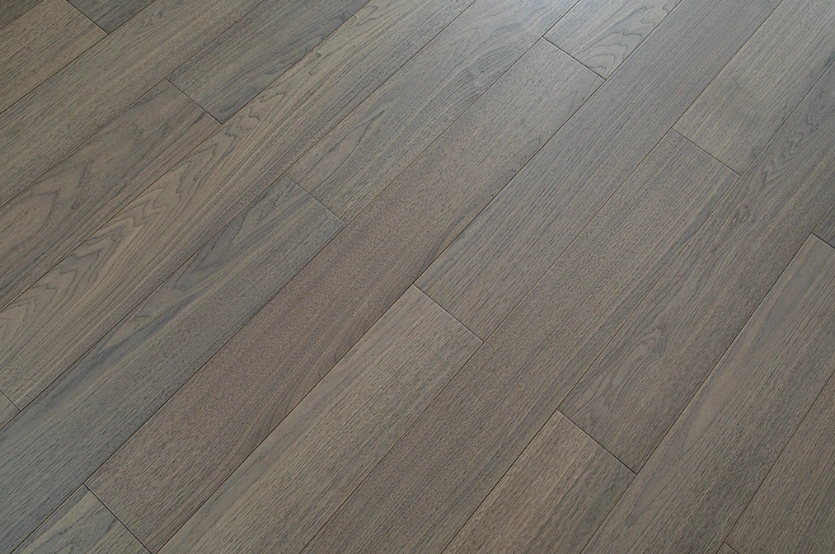
When Should You Consider Replacing a Single Board Instead of Repairing?
In a few cases, replacing a single plank is a better and faster solution.
Visible Structural Damage
If a mark goes deeper than the wear layer or affects the core, surface repair won’t help. This type of damage is uncommon but usually means a new board is needed.
Severe Moisture Impact
If water has been standing on the floor for a long time, the affected area may swell or deform. Once the structure changes shape, replacement is the safer solution.
Matching Replacement Options From YEHUI
YEHUI offers color-customizable boards and consistent sizing, making single-board replacement easier. Because each batch follows strict material selection, moisture control, and cutting standards, replacement planks blend naturally with the existing floor.
How to Keep Engineered Flooring in Better Condition After Repair?
Once repairs are done, a few simple habits help keep the floor looking nice longer.
Regular Cleaning With Mild Products
Dry mopping or vacuuming removes small particles that cause scratches. Gentle cleaners are usually enough for weekly care.
Proper Furniture Pads and Daily Protection
Using felt pads under furniture legs reduces scratching. Small rugs near entrances also help prevent marks from shoes.
Choosing Durable Woods Like Those in QH1902, QH1923, and QH1909
Floors built with high-quality veneers and stable cores naturally hold up better. YEHUI’s selection of oak, walnut, and other strong woods, along with its detailed production line, gives homeowners a reliable surface that stays smooth and steady with regular use.
FAQ
Q1: Can all minor scratches be repaired at home?
A: Most light surface marks can be softened or blended at home using wax, repair pens, or gentle polishing. Only deep scratches that reach the lower layers may require professional help or plank replacement.
Q2: Will small gaps damage the flooring?
A: Tiny gaps are common during seasonal changes and usually harmless. In many cases, the floor returns to normal when indoor humidity stabilizes.
Q3: How long do YEHUI engineered floors usually last?
A: With proper care, high-quality engineered floors such as YEHUI’s multi-layer series can stay in good condition for many years thanks to stable cores, controlled moisture content, and detailed surface treatment.


 English
  Spanish
  Arabic
  French
  German