

Protecting a parquet wood floor in a hospitality project starts before guests enter the space. The practical answer is a three-part control plan: define the product, finish, area conditions, and handover duties; control routine surface risks through approved procedures; then inspect visible changes and escalate them before unapproved treatment complicates the problem.
Engineered parquet combines a real-wood veneer with multi-layer plywood. YEHUI supplies this structure in engineered wood flooring and visually distinctive artistic parquet for commercial projects. Your protection plan should connect the approved sample, factory finish, contractor handover, housekeeping process, and later supplier communication.
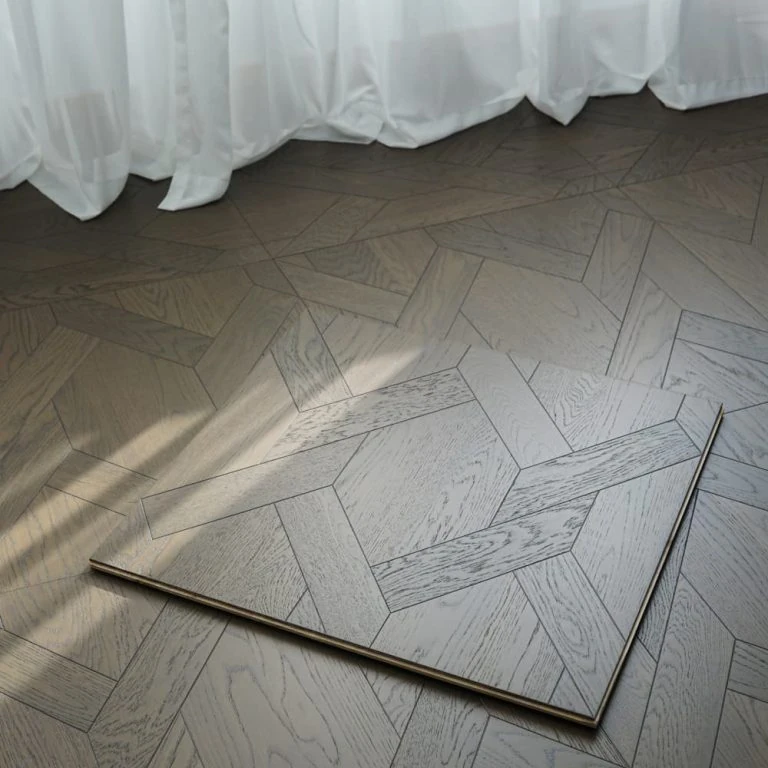
Step 1: What Protection Requirements Should Hospitality Buyers Define?
Begin by turning floor care into a written procurement and handover requirement. This reduces ambiguity between your purchasing team, contractor, hospitality operator, and flooring supplier.
Document Area Use, Cleaning Conditions, and Handover Criteria
Map every area intended for parquet, including entrance zones, furniture-moving routes, spill exposure points, and spaces affected by temporary project traffic. Record the expected cleaning process and any restrictions specified for the selected finish.
At handover, retain the approved sample, product identification, finish information, photographs, and notes on visible condition. Assign responsibility for protecting completed work while other trades remain on site. Any numerical limits for temperature, humidity, moisture, or cleaning frequency should come from approved project guidance rather than a generic parquet wood floor rule.
Align Product Structure and Finish With the Care Plan
Parkettboden – LZP1001 | YEHUI is an engineered parquet option for buyers assessing durability, stability, installation planning, and aesthetic value. Before writing the care schedule, confirm its selected finish and the corresponding cleaning restrictions. Do not assume that one oil, lacquer, or UV-care method applies without finish verification.
For more decorative projects, Parquetböden -Chinesischer Knoten | features a brushed antique surface, a deep-brushed oil-finished texture, ultra-matte low reflection, and an engineered waterproof plywood core. Its artistic pattern is suited to luxury hospitality interiors where visual identity is a major selection factor.
The waterproof plywood core description does not establish suitability for bathrooms, kitchens, or other wet areas. Fire resistance certification is available on request for public projects, but you should obtain the applicable certificate and arrange project-specific review before making a compliance claim. Custom patterns and finishes can also be discussed through YEHUI’s OEM/ODM options.
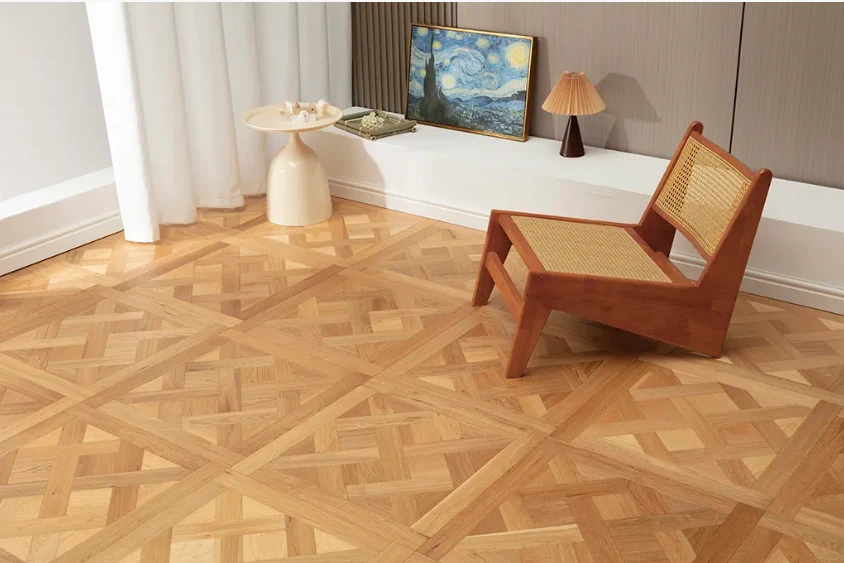
Assign Responsibilities Before Installation and Handover
Create a responsibility matrix covering packaging, unloading, protected storage, installation, handover, housekeeping, incident reporting, and specialist repair. YEHUI’s role is product supply; it does not include installation or site maintenance. The project-appointed contractor remains responsible for installation, and parquet should be treated as a T&G product rather than a click-system product.
For Chinese knot parquet orders, a custom pallet service is available for forklift handling and international-safe pallet preparation. Packaging can reduce handling risk, but it cannot remove every possibility of transit or site damage. Inspect and record the delivered condition before installation begins.
Step 2: How Should Hospitality Teams Control Routine Surface Risk?
Once the floor is handed over, daily protection depends on consistent, finish-specific procedures rather than aggressive treatment after marks become visible.
Remove Loose Debris Without Aggressive Treatment
Loose debris can present a scratch risk, particularly near entrances and along furniture-moving routes. Establish a project-approved process for removing loose material without prescribing unverified tools, chemicals, water volumes, or fixed cleaning intervals.
Protective entrance measures and furniture-contact protection should be checked against the approved floor-care instructions. They also need periodic inspection: displaced protection or trapped debris can undermine the control it was intended to provide.
Use Finish-Specific Cleaning and Spill Procedures
Cleaning must reflect the actual factory finish of each parquet wood floor. The deep-brushed, oil-finished Chinese knot surface requires approved oil-finish care instructions. Do not invent a re-oiling schedule or permit an unfamiliar chemical solely because it is marketed for wood flooring.
For LZP1001, confirm the finish before approving cleaning products or corrective treatments. If UV coating applies to another selected product, treat it as a factory production process—not as a coating that hospitality staff can apply after installation.
Your spill procedure should identify reporting, containment, and escalation responsibilities. Avoid prolonged unmanaged moisture, but do not interpret an engineered core description as permission for unrestricted water exposure.
Train Staff and Record Every Exception
Give housekeeping teams a short written protocol covering approved tools, approved products, restricted treatments, incident reporting, and escalation contacts. Keep records of cleaning activity, spills, furniture movement, temporary events, and visible surface changes.
These records help procurement teams separate routine care matters from issues requiring contractor, supplier, or flooring-specialist assessment. Hospitality staff should not attempt sanding, refinishing, local oiling, filling, or chemical spot treatment unless the method has been professionally approved.
Step 3: How Should Buyers Inspect Wear and Escalate Corrective Action?
Inspection closes the protection cycle. It gives you evidence for maintenance decisions while reducing the risk of premature or unsuitable repairs.
Establish a Documented Inspection Cycle
Use approved samples and handover photographs as the visual baseline. Check surface appearance, joints, local discoloration, scratches, and other visible changes. Set the inspection frequency according to area use and approved maintenance guidance rather than applying an unsupported weekly, monthly, or annual schedule.
For each exception, record the location, date, photographs, recent cleaning activity, furniture movement, spills, and relevant events. Describe what you see without assigning a technical cause before qualified review.
Separate Routine Care From Specialist Repair
Define which observations housekeeping may handle and which require escalation. Pause sanding, oiling, coating, filling, or component replacement whenever the finish or cause remains uncertain.
Corrective treatment for the oil-finished Chinese knot product must follow its finish-specific care requirements. UV coating must not be presented as an on-site repair method. YEHUI does not carry out installation or site repair, so those responsibilities should remain with your appointed contractor or flooring specialist.
Turn Inspection Findings Into Procurement Controls
Keep order references, approved samples, finish details, delivery records, and photographs accessible. If replacement components may be required, review quantities, packaging, transport arrangements, and sample approval before placing the order. Do not assume an exact visual match between separate production batches without sample confirmation.
The practical conclusion is straightforward: a documented parquet wood floor protection plan reduces responsibility gaps and supports better purchasing decisions. It does not guarantee a specific lifespan, but it gives each party a clear basis for action.
For a bulk hospitality project, you can contact YEHUI to discuss product samples, available technical documents, customization, and packaging requirements. Installation, handover, and ongoing site care should remain with the buyer’s appointed project professionals.
FAQ
What Maintenance Documents Should Buyers Request for a Parquet Wood Floor?
Request product identification, finish details, approved cleaning methods, restricted treatments, spill procedures, storage requirements, and escalation contacts. Keep the document version linked to the purchase order and approved sample so staff do not use instructions intended for a different finish.
How Should an Oil-Finished Artistic Parquet Surface Be Protected?
Use only the approved care system for that particular oil finish. Train staff to avoid unapproved chemicals and local treatments, record spills or marks, and refer uncertain changes to a flooring specialist before re-oiling, sanding, or applying another coating.
When Should Visible Damage Be Escalated to the Supplier or a Flooring Specialist?
Escalate damage when the cause is unclear, the finish may have changed, joints are affected, moisture was involved, or corrective treatment is being considered. Send the order reference, location, photographs, cleaning history, and incident details so the issue can be assessed before further work.



 German
  English
  Spanish
  Arabic
  French