

For commercial flooring, appearance is only the first screening point. A reliable sample review also examines construction, veneer, finish, machining, dimensions, and the supplier’s ability to reproduce the approved result in volume. These six checks give procurement teams, contractors, designers, distributors, and project owners a consistent basis for comparing engineered wood flooring before approval.
YEHUI supplies multi-layer engineered wood flooring and distinctive parquet solutions for commercial sourcing. Its range supports comparisons between standard planks, directional patterns, and custom artistic layouts.
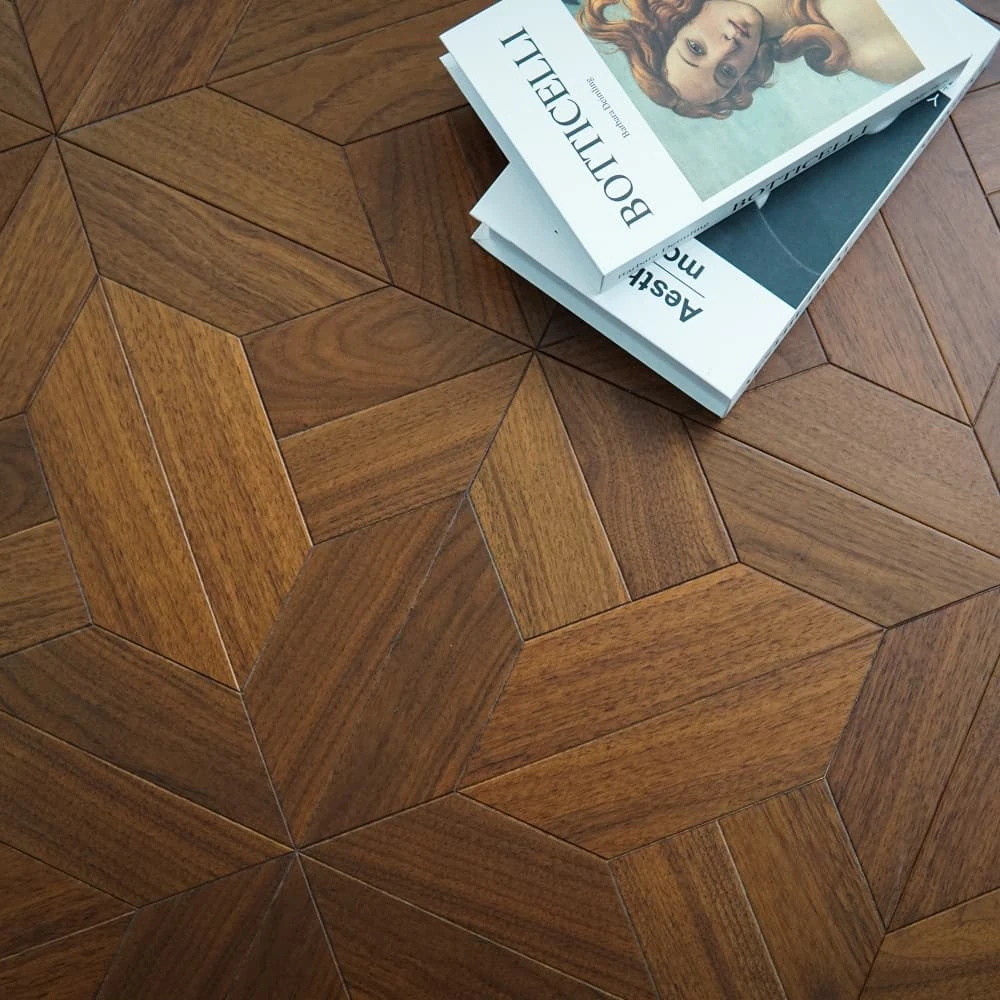
How Should Buyers Evaluate Construction, Veneer, and Visual Variation?
Treat each sample as a technical reference as well as a visual one. Record what can be inspected directly, request written confirmation for other specifications, and define acceptable variation before issuing a purchase order.
1. Verify the Real-Wood Veneer and Multi-Layer Plywood Construction
Confirm that the board uses real-wood veneer over a multi-layer plywood core rather than HDF. Record the veneer species, veneer thickness, total thickness, core material, and layer arrangement for every sample under review.
Inspect the exposed edge for continuous layers, clean bonding lines, voids, or separation. The sample code should connect to the proposed bulk product, quotation, and written specification. For example, a board identified as multi-layer eucalyptus plywood or all-birch plywood should be documented with the exact construction selected for the project.
2. Compare Veneer Appearance and Supported Specifications
Review species, grain character, visible knots, color direction, and veneer quality under consistent lighting. A small sample cannot show every natural change across a commercial order, so compare several pieces when the project has a tight visual brief.
Treat veneer thickness as a declared specification rather than inferring it from appearance. Ask for the applicable thickness, board dimensions, and finish for the submitted sample. This reduces the risk of approving one visual reference and receiving a similar-looking product with a different construction.
3. Define Acceptable Color and Grain Variation
Place samples beside furniture, wall panels, doors, and other fixed materials under representative project lighting. Review them from normal viewing distance as well as close range. Describe natural variation in practical terms, including acceptable differences in tone, grain direction, and feature distribution.
Document the retained reference, any customer-requested custom color, and the permitted variation before production. One small piece should not be treated as a promise that every board will be identical. A written range gives purchasing and inspection teams a shared acceptance basis.
Which Surface and Machining Checks Reveal Production Quality?
Surface and edge checks expose issues that photographs often conceal. Use the same viewing conditions for each sample and measure multiple pieces where the design requires precise coordination.
4. Examine Texture and the Factory-Applied UV-Coated Finish
Compare gloss, brushing, hand-scraping, tactile texture, coating coverage, and visible defects under the same light and viewing angle. Check for uneven sheen, exposed areas, scratches, bubbles, and inconsistent texture across the sample.
UV coating is applied during production; it is not a post-installation treatment. Record whether the required appearance is brushed, hand-scraped, smoked, matte, or another supported finish. The acceptance record should connect the finish description to the physical reference so bulk inspection remains practical.
5. Measure Dimensions, Machining, and Edge Profiles
Measure length, width, and total thickness with suitable tools instead of relying only on a catalogue description. Inspect straightness, edge condition, machining consistency, and the fit between multiple sample pieces.
For herringbone, verify the Z-shaped orientation and the relationship between left- and right-hand pieces. Chevron wood flooring uses a V-shaped pattern and requires accurate directional matching. Artistic parquet needs additional checks for panel alignment, inlay placement, angles, and layout consistency.
Confirm the specified tongue-and-groove profile for pattern products. Herringbone and parquet products should not be assumed to use a click system.
6. Test Whether the Approved Sample Can Be Reproduced in Bulk
Ask how the approved reference becomes a production instruction and shipment acceptance standard. The review should cover veneer, grain, color, dimensions, machining, finish, packaging, labeling, and nonconformity handling.
Before ordering, agree on which checks occur during production and before shipment, what records are available, and how deviations will be reported. Also clarify warranty and after-sales responsibilities. The key issue is whether both sides have defined the approved result for the complete order, not simply whether one sample looks acceptable.
Which YEHUI Products Can Anchor the Sample Comparison?
A practical comparison works best when buyers assess products against the same fields. These YEHUI options represent three commercial requirements: systematic plank review, directional pattern accuracy, and distinctive artistic design.
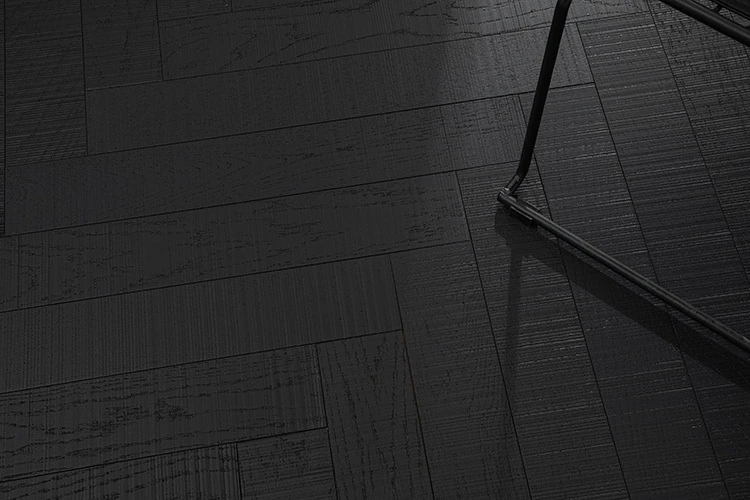
Use All Birch Plywood Core wood Flooring | QH1925| YEHUI as the Primary Comparison Reference
QH1925 is a multi-layer engineered wood flooring reference for structured sample evaluation. Its confirmed specifications include multi-layer eucalyptus plywood, all-birch plywood, or other core options, and various thickness selections.
Available wood choices include Oak, Walnut, Maple, and more. Finish directions include brushed, hand-scraped, smoked, and UV-coated options. Buyers should confirm which core, dimensions, thickness, veneer, finish, and customization details apply to the submitted sample and quotation.
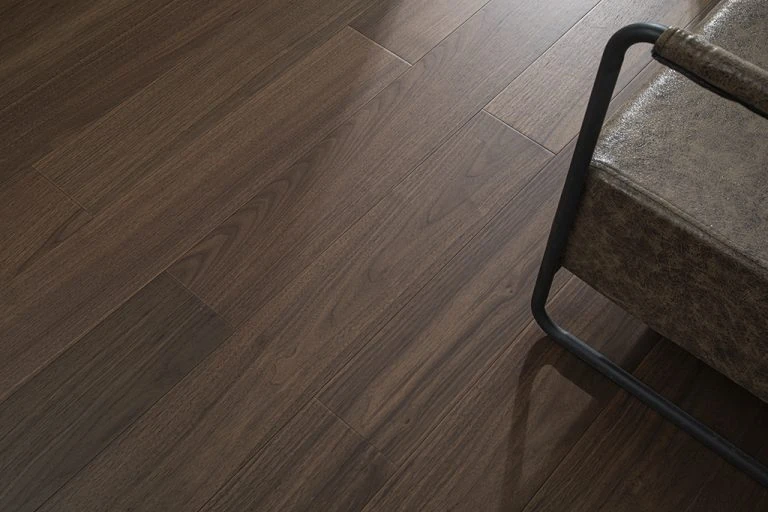
Check Pattern Accuracy With Oak herringbone engineered flooring|Easy to install | R1605
R1605 suits a brief requiring a Z-shaped herringbone layout. It has a multi-layer engineered structure, oak top veneer, eucalyptus plywood core, UV-brushed finish, and a 600 x 92 x 15 mm format.
Compare pattern orientation, piece dimensions, machining, surface treatment, and fit. Confirm the tongue-and-groove profile and installation requirements for the order before approval. Any customer-requested natural or dark color customization should be recorded against a retained reference.
Assess Distinctive Design Requirements With Parquet Flooring -Qiuyu | YEHUI #2
Qiuyu is intended for projects requiring more visual distinction than standard herringbone, including luxury hotels, brand stores, showrooms, and upscale interiors. Supported material choices include walnut or oak top layers, walnut inlays on an oak base, and CNC laser engraving.
Surface options include UV lacquer, natural oil, and wire-brushed finishes upon request. Compare pattern alignment, inlay execution, color distribution, machining, and the approved layout. Artistic parquet normally costs more because manufacturing complexity and material waste are greater, not because installation is inherently more complex.
How Can Procurement Teams Turn Sample Approval Into Order Controls?
The final step is converting visual and technical findings into documents that purchasing, production, inspection, and receiving teams can use consistently.
Build a Written Sample Comparison Scorecard
Give every option the same fields: construction, veneer, visual range, finish, dimensions, machining, profile, packaging, labeling, and supporting documents. Separate mandatory requirements from preferences. Record sample codes, review dates, approvers, photographs, measurements, and unresolved questions.
Link the Retained Sample to the Purchase Specification
Identify the physical sample, drawings, written specifications, permitted variation, pattern direction, finish, profile, packaging, and labeling requirements that form the approval basis. Do not rely on unstated tolerances or assumptions about bonding, moisture, or inspection.
Confirm Inspection, Packaging, and Responsibility Before Ordering
Agree on production-stage and pre-shipment checks appropriate to the order. Confirm carton design, private labeling, and other packaging requirements where relevant. Define how deviations from the approved sample will be reported, reviewed, and resolved, together with warranty and after-sales responsibilities.
Send YEHUI your project specification, target pattern, finish direction, quantity, and comparison checklist through Contact Us. This gives both sides a basis for discussing suitable engineered flooring, herringbone, Chevron, or artistic parquet options before order approval.
FAQ
How Many Engineered Wood Flooring Samples Should a Commercial Buyer Review?
There is no universal number. Review enough pieces to see the expected range of color, grain, texture, and machining, particularly when the project has strict appearance requirements. Use several samples or a larger sample set rather than approving one small piece in isolation.
What Should Be Included in an Approved Flooring Sample Record?
Include the sample code, product model, construction, veneer species and thickness, board dimensions, finish, color direction, pattern, edge profile, permitted variation, photographs, measurements, approvers, review date, packaging requirements, and unresolved items. Link the record to the purchase specification and retained physical sample.
How Can Buyers Reduce the Risk of Differences Between Samples and Bulk Production?
Define the approved reference and permitted variation in writing, then connect them to production instructions, inspection checkpoints, pre-shipment review, packaging, and nonconformity procedures. Confirm how color, grain, dimensions, machining, and finish will be checked across the order before shipment.

 English
  Spanish
  Arabic
  French
  German