

Chevron and herringbone floors are no longer confined to traditional European interiors. Nowadays, these slanted wood designs appear frequently in retail outlets, small hotels, workplaces, display areas, and combined-use buildings. Architects and builders choose these arrangements not only for style, but also for the order and flow they add to a room.
For business purchasers, patterned flooring serves as a key design element. Moreover, with ready-made flooring lines from YEHUI, developments can blend striking visual appeal with solid product quality and adaptable options.
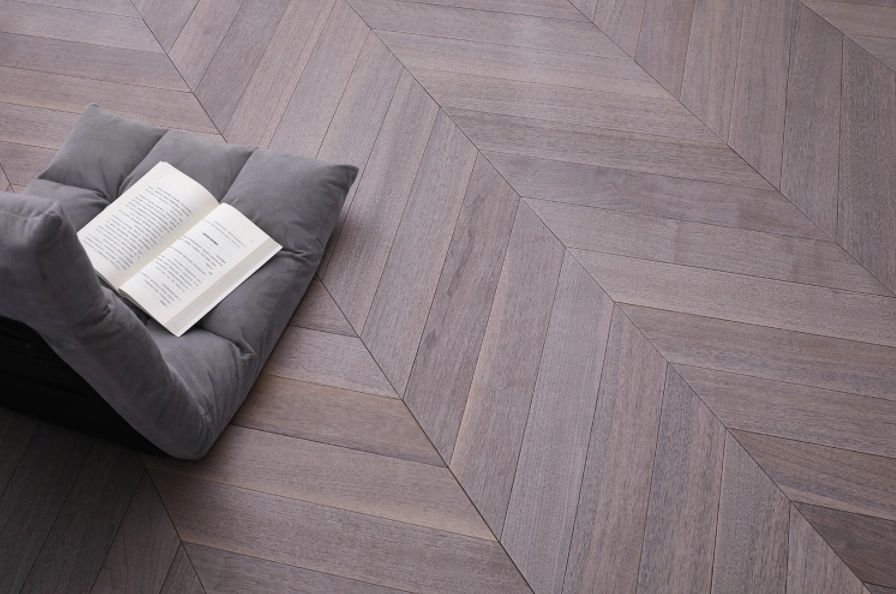
Why Are Chevron and Herringbone Patterns Popular in Commercial Spaces?
Before examining particular uses, it is useful to grasp why these designs appear more commonly in business developments.
Visual Impact and Spatial Dynamics
Chevron and herringbone patterns generate motion. The slanted boards direct the gaze ahead, so hallways seem extended and wide zones feel more linked. In shops and guest settings, this guiding quality quietly influences how people move through the area.
In contrast to straight board flooring, slanted arrangements avoid dullness. Even with plain colors, the design stands out as a main feature. This approach suits business interiors well, where the floor must reinforce the company look without dominating other parts of the setup.
In developments where a feeling of depth and form counts, chevron and herringbone floors provide layers without added items. The shape handles the task effectively.
Material Selection and Pattern Performance
The design forms just one aspect. The build of the material also determines how the floor holds up in everyday business conditions.
Built-up structures, like multi-layer wood flooring, offer improved size stability over solid wood. This feature proves vital in areas with shifting indoor weather. YEHUI’s multi-layer lines let creators apply time-honored patterns, yet keep steady form over broad floor surfaces.
Picking wood types influences shade and mood as well. Deep walnut delivers an elegant appearance. Brighter oak shades give a fresh and airy sense. Slight grain differences can ease vast business areas that might feel stiff otherwise.
Design Flexibility and Brand Expression
A further cause for their rise is adaptability. Chevron and herringbone setups can change in size, board breadth, and orientation. Thus, architects can align flooring with various business styles.
Shade tailoring is possible too, according to development demands. Hues can adjust to support a company’s image. As a result, patterned flooring turns into more than ornament — it joins the narrative of the place.
Chevron Flooring Applications in Commercial Settings
As interest in slanted setups grows, numerous builders wonder how these floors function in varied business interiors. The response hinges on both aims for style and choices of products.
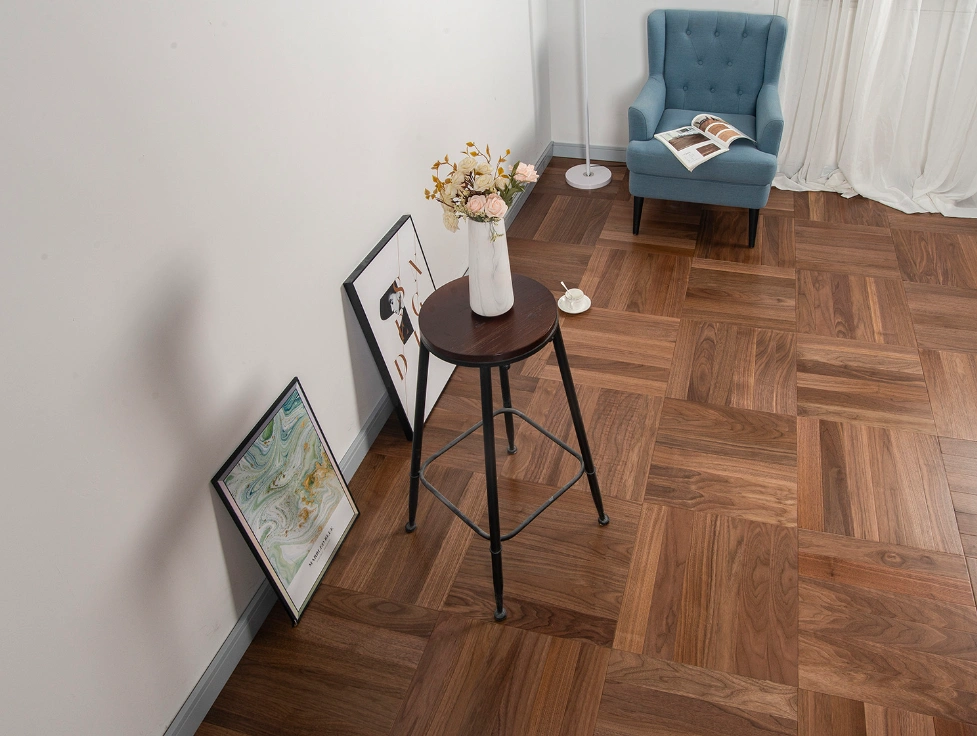
Black Walnut Herringbone Flooring for Premium Retail
For upscale shops and small store spaces, bold shades usually fit best. The Black Walnut Herringbone Flooring provides a rich brown tone along with organic grain flow. When laid in a herringbone style, the deep walnut face produces a stacked sight effect that appears polished, yet not too stiff.
This kind of flooring matches nicely with clear front windows, soft lights, and steel fixture displays. It grounds the area and offers sharp backdrop contrast for goods. Numerous top brands favor deeper wood shades since they build substance and impact without relying on thick decor pieces.
Angled Wood Planks for Hospitality Interiors
Lodging spots, rental flats, and relaxation zones typically require floors that seem inviting but organized. The Planches en bois anglées group is made especially for chevron-type fitting.
Chevron designs form a neat V-form row, which seems crisp and current. In guest surroundings, this can add a touch of arrangement to big open entry halls or dining spots. The slanted boards aid in marking seating zones smoothly, even lacking solid dividers.
Since the setup carries its own style, creators often select basic furnishings. Therefore, the outcome stays even, not cluttered.
R8815 Pattern for Contemporary Office Projects
Current workplaces move from simple flooring. Firms seek areas that seem considered and marked by their style. The R8815 type aids patterned setups, while keeping a smooth face look.
In work interiors, herringbone or chevron floors can gently steer flow between conference rooms and team zones. They also ease the mechanical sense of clear walls and steel frames. Rather than a level, repeating floor, the area picks up pace.
For builders handling business office structures, patterned flooring can boost seen worth without big build shifts. It acts as a style improvement that fits fair material costs.
Material Selection: Matching Pattern With Project Needs
Design pick must always link with build needs. In business surroundings, form counts as much as style.
Multilayer Construction for Structural Stability
Le Multicouche JY8103 built-up flooring uses stacked wood build. This setup cuts down shifts from moisture changes and heat swings.
For wide business zones, steady board lining matters. Patterned floors demand exact fitting shape. Multi-layer build backs that exactness by holding form through time.
This build type suits mixed-use structures particularly, where inside states differ across shop, work, and common parts.
Custom Color Solutions for Project Identity
Business developments seldom stick to one plan. Builders might require exact shades to pair with wall covers, seats, or style ideas.
YEHUI offers shade adjustment choices per development wants. From pale raw coatings to richer aged hues, changes can suit the full style path. Such adaptability aids creators in keeping sight unity across the work.
Tailored shade pairing lets patterned floors merge into basic interiors or highlight in strong business plans.
Pattern Integration and Zoning Strategy
Chevron and herringbone setups can serve as quiet zoning aids too. By shifting board way or design size, creators can sight-separate varied task areas.
For instance, a welcome zone might show a close herringbone setup, whereas nearby rest areas employ broader chevron boards. This forms a shift without solid blocks. It remains straightforward, yet useful.
In business interiors with open layouts common, flooring designs join the area plan.
Design Considerations When Choosing Chevron or Herringbone
Though these designs seem timeless, they need thoughtful setup. Size, balance, and matching all shape the end outcome.
Layout Scale and Proportion Control
The length of each board sways how bold the design looks. Thin boards make a fine, complex view. Broader boards seem newer and stronger.
In big business rooms, larger chevron boards may suit better, as the design stays clear from afar. In tiny shop spots, dense herringbone setups can add feel without crowding the area.
Setting the size correctly makes a large change. If too tiny, the design fades. If too big, it might rule the space.
Surface Texture and Finish Selection
Face feel also sways how light works with the floor. Even coatings bounce more light, so the design shows sharper. Rubbed feels dull bounces and stress the wood lines.
YEHUI’s lines provide diverse face handling that can pair with both fresh and old-school interiors. Feel should pick based on light states and the whole item set of the area.
A mildly handled coating often fits business settings, as it weighs sight sharpness with raw trait.
Coordination With Lighting and Interior Elements
Chevron and herringbone floors link closely with lights. Aimed light can stress the V-form lines, while gentle spread lighting makes a milder result.
Seat or show unit placing should honor the floor way too. Lining chairs or stands with the design can boost sight stream. On the other hand, setting items cross to the design might build strain — at times it suits, at times it fails.
Prompt matching among architects, inside creators, and floor providers aids dodge late setup tweaks.
Conclusion
Chevron and herringbone flooring designs rise in business developments because they mix shape, motion, and wood warmth on one face. They aid in marking space, firming company style, and lifting full setup without tricky build shifts.
Through built-up lines like Black Walnut Herringbone Flooring, R8815, Multilayer JY8103, and Angled Wood Planks, YEHUI aids business builders wanting both eye-catching effect and trusty build. Patterned wood flooring goes beyond mere decor now. In numerous developments, it turns into part of the build talk itself.
FAQ
Q1: Is chevron or herringbone better for commercial offices?
A: Both suit well, but chevron tends to look neater and fresher, while herringbone seems more timeless and grained. The pick relies on company image and area size.
Q2: Can commercial projects customize flooring color?
A: Yes. Shade tones can adjust per development needs to pair with inside style ideas.
Q3: Are engineered multilayer floors suitable for large commercial spaces?
A: Multi-layer build gives form steadiness and aids hold lining in patterned fittings, so it suits bigger business layouts.


 French
  English
  Spanish
  Arabic
  German