

Chevron wood flooring is often selected because the pattern gives a project a clear visual direction. For a B2B buyer, the pattern is only the first part of the decision. The order must also be controlled through dimensions, angle accuracy, multi-layer engineered wood flooring construction, wood selection, surface treatment, sample approval and batch consistency.
Designers, distributors and project buyers need a supplier that can turn a visual brief into a repeatable product specification. YEHUI develops parquet and patterned flooring for overseas building-material partners. This guide explains what to confirm before sourcing Chevron wood flooring for a project collection or a flooring brand program.
Confirm What Chevron Means in the Specification
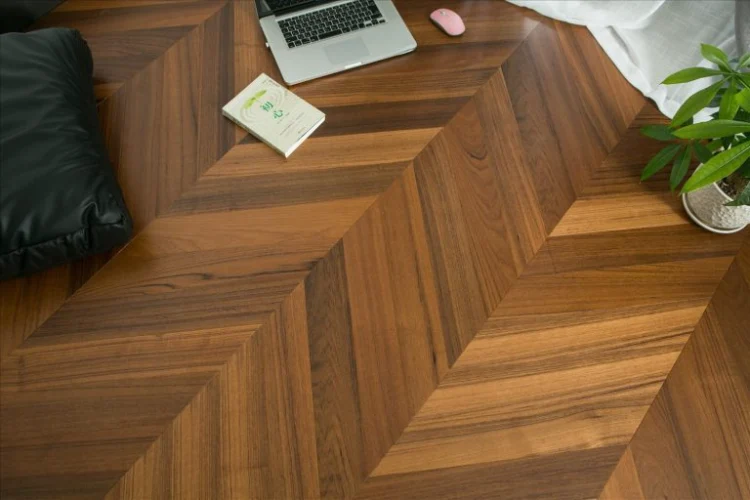
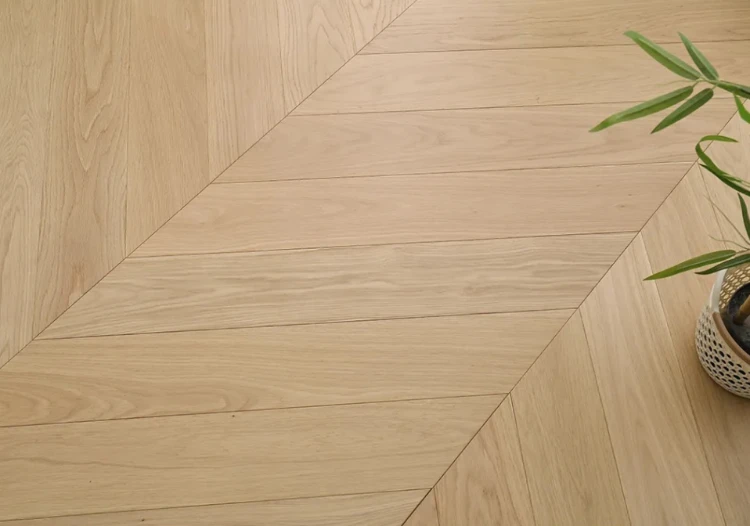
Chevron wood flooring uses boards cut and arranged to create a continuous V-shaped direction. It is different from a simple staggered layout because the pattern depends on the relationship between the board ends, the angle and the center line. A quotation should therefore describe the pattern clearly rather than using a broad word such as “parquet” for every design.
Before requesting prices, the buyer should confirm whether the project needs a traditional 45-degree appearance, a different angle, a border, a field pattern or a combination with another parquet design. The supplier should receive a drawing or reference image with the key dimensions marked. This reduces the chance that a visual term is interpreted differently by the design team and factory.
Le YEHUI Chevron Flooring category gives buyers a useful reference point for discussing V-shaped patterns and available product directions. The final quotation should still state the exact model and specification approved for the project.
Set the Pattern and Dimension Requirements Early
Pattern accuracy depends on more than the board length. Buyers should define the board width, length, thickness, angle, tongue or edge details, bevel treatment and expected repeat. If the design includes a border or a transition between patterns, those details should appear in the drawing before sampling.
Ask the supplier how the cut angle is controlled and how the factory checks the relationship between pieces. A small difference at the end of one board can become visible across a large pattern. The issue is easier to control when the measurement method is agreed on before the first sample.
The design team should also decide how much natural variation is acceptable. Wood grain, knots and tone will change the visual rhythm of a Chevron wood flooring collection. The buyer can define a preferred range without pretending that every board will look identical.
Select the Multi-Layer Engineered Wood Flooring Construction
For a project supplier, the construction should support both the visual brief and the commercial plan. Multi-Layer Engineered Wood Flooring uses cross-arranged layers to create a more controlled panel structure than a single-piece wood board. The top wood layer provides the visible character, while the supporting layers contribute to dimensional control.
The buyer should ask for the full construction description, including the top layer, core arrangement, total thickness, surface treatment and edge profile. If a thicker top layer is required, specify it at the quotation stage. YEHUI’s current customer direction focuses on thicker top-layer options; where thickness is part of the brief, 3 mm, 4 mm or 6 mm can be discussed as customizable choices when confirmed for the selected construction.
Do not approve a sample based only on a photograph. The physical sample should be reviewed for grain direction, surface touch, joint appearance and the relationship between the pattern pieces. These details affect how the product is presented to distributors and project clients.
Match Wood and Surface Character to the Design Brief
Wood selection is a design decision and a supply decision at the same time. Oak and black walnut appear in YEHUI product materials, while other wood directions may be discussed for a specific collection. The buyer should select the wood based on the project’s intended visual language, target price and expected collection size.
Surface treatment should be described in terms that a factory can repeat. “Warm natural tone” is a useful starting direction, but it is not enough for production. Add a reference sample, a finish description, a gloss preference if needed, and a note about acceptable variation. If the design requires brushing, texture or a particular coating appearance, record that in the approved sample file.
For direct product discussion, buyers can review YEHUI DGY-01 Chevron flooring and compare it with the visual direction of YEHUI Y8815. These links are starting references for a sourcing conversation, not a substitute for approving the exact project sample.
Use Samples to Lock the Approval Standard
The sample stage should answer specific questions. Does the V line remain clean when several pieces are placed together? Is the tone within the agreed range? Does the surface treatment support the design brief? Are the dimensions and edge details recorded? Can the supplier identify the sample model in a later quotation?
Keep a signed or written sample approval record. Attach photographs, drawings and the product description. If the buyer changes the wood, thickness, surface or angle after the first sample, issue a new version number. This protects both the buyer and supplier from using different references during production.
For a distributor, sample control also helps create a sales collection. A clear sample file lets the sales team explain what is standard and what is custom. It also gives the factory a stable reference when a buyer requests a repeat order months later.
Review Production and Project Coordination
Chevron projects often involve several parties: the designer, importer, distributor, project buyer and factory. The supplier should know who approves the sample, who confirms the final drawing and who receives production updates. A simple responsibility list can prevent a late change from reaching the wrong person.
Ask the supplier to confirm the production sequence, inspection points, packing marks and document requirements. The aim is to make the order traceable from approved sample to finished cartons. YEHUI’s knowledge materials describe control of wood selection, cutting, drying, moisture content, sanding, sizing, surface treatment and coating. These points can form the basis of a buyer’s factory questionnaire.
Project coordination also includes realistic timing. A custom Chevron wood flooring order may need more sample communication than a standard plank collection. The buyer should allow time for design approval, specification confirmation and production planning instead of treating every patterned floor as a simple repeat purchase.
Why YEHUI Chevron Flooring Fits B2B Sourcing
YEHUI’s official materials position the company as a flooring manufacturer with product development, manufacturing and overseas service capabilities. The product range includes multi-layer engineered wood flooring, parquet flooring and Chevron wood flooring. Its customer materials describe manufacturing bases in Huzhou and Jinan and a focus on product quality, design development and supply support.
This combination can be useful for buyers who need a patterned floor with a clear product story and a controlled supply route. The right next step is to send YEHUI a project brief with the pattern, dimensions, wood direction, surface reference, estimated quantity and target market. The supplier can then confirm the closest existing model or advise whether an OEM/ODM development route is more suitable.
FAQ
What is the first specification to confirm for Chevron wood flooring?
Confirm the pattern angle, board dimensions and center-line layout first. These details determine the visual rhythm and affect the rest of the product specification.
Can Chevron flooring be made with multi-layer construction?
Yes. Chevron wood flooring can be developed as Multi-Layer Engineered Wood Flooring. The buyer should confirm the complete layer construction, top wood thickness, total thickness and surface treatment for the selected model.
How many samples should a project buyer request?
Request enough pieces to see the pattern join, not only one board. The approval set should show the surface, color direction, edge details and the relationship between adjacent pieces.
What should be included in a supplier brief?
Include a reference image or drawing, angle, dimensions, wood direction, surface treatment, acceptable variation, quantity estimate, packaging needs and approval contact. This gives the supplier a usable production starting point.
Chevron wood flooring works best in a B2B program when the visual idea is translated into measurable requirements. Define the pattern, confirm the construction, approve a physical sample and keep the production record connected to the order. That approach gives designers and buyers a clearer path from concept to repeatable supply.


 French
  English
  Spanish
  Arabic
  German