

If you want to Lay Parquet Flooring without pattern drift, the first job is not fixing the first plank. It is checking whether the room, subfloor, and layout line are ready for a patterned floor. Parquet looks clean only when the angle, border, and repeated pattern stay controlled from the center to the walls.
YEHUI works with Multi-Layer Engineered Wood Flooring, parquet flooring, Herringbone Flooring, Chevron wood flooring, and related custom flooring products. For project buyers, the main value is not only the surface pattern. It is also the ability to check product structure, size, sample effect, and layout requirements before production. This matters when one small mistake in the first line can affect the whole room.
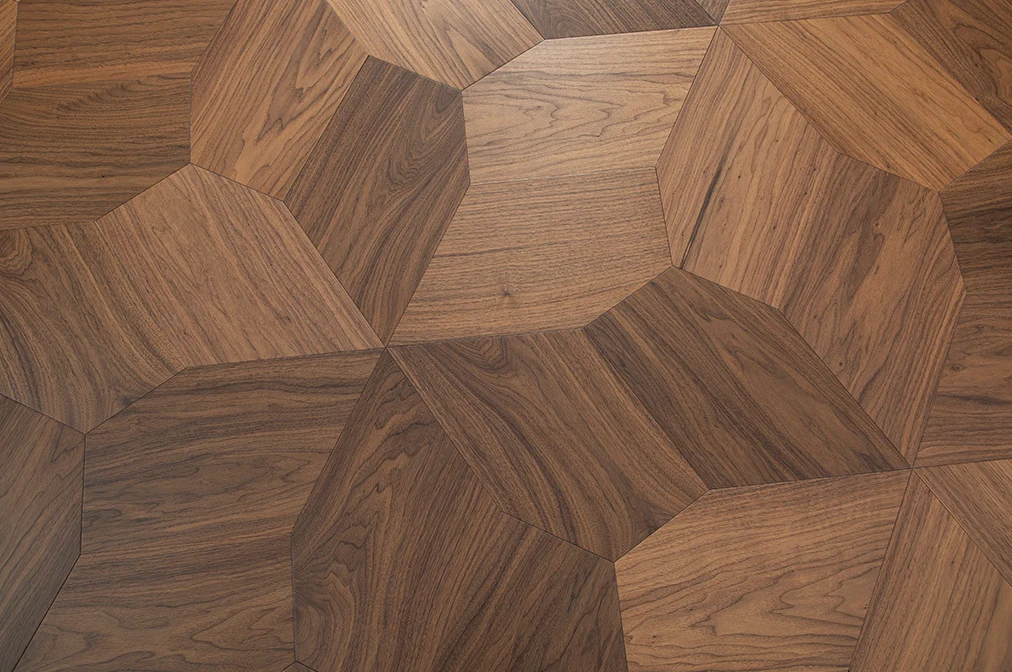 Why Does Parquet Flooring Drift During Installation
Parquet flooring pattern drift usually starts before the floor is fully laid. A room may look square, but the walls may not be straight. A subfloor may look acceptable, but small uneven spots can push pieces out of line. Once several rows are fixed, the mistake becomes visible at the borders.
Uneven Subfloor and Poor Moisture Control
Before you Lay Parquet Flooring, the base should be clean, flat, and dry. Dust, raised joints, old adhesive, or soft spots can affect how the parquet pieces sit. For Engineer wood flooring and Multi-Layer Engineered Wood Flooring, the structure helps with stability, but it still needs correct site conditions.
Moisture is also worth checking. If the base is damp, or if the flooring has not settled properly before work begins, later movement may create gaps, tight joints, or lifted areas. This is why a parquet project should not be rushed just because the material has arrived.
Weak Center Line and Inaccurate 90 Degree Layout
A weak center line is one of the most common reasons for parquet flooring pattern drift. If the first reference line is wrong, every following row follows the same mistake. The floor may still be fixed firmly, but the pattern will look slightly twisted.
A practical parquet flooring layout plan should include a main center line and a second guide line at a true right angle. For Herringbone Flooring and Chevron wood flooring, the starting angle is even more sensitive. The first few pieces should be checked from more than one viewing direction before the work continues.
Wrong Plank Sorting Before the First Row
Parquet products often rely on repeated direction, grain balance, and clear visual rhythm. If pieces are mixed without checking the layout, the floor may look uneven even when the size is correct. Sorting before laying helps the installer see shade differences, grain direction, and possible edge issues.
For project buyers, this is also a purchasing point. Sample checking should not only focus on color. It should also check how the pattern reads when several pieces are placed together.
How Should You Prepare Before You Lay Parquet Flooring
Preparation decides whether the finished floor looks measured or improvised. A patterned floor has less tolerance for guessing than a straight plank floor. The cleaner the preparation, the easier it is to control the edges.
Subfloor Flatness and Dryness Check
The subfloor should be checked before any adhesive, underlay, or flooring is prepared. A flat base helps each piece sit in line with the next one. If the base is uneven, the surface may feel unstable, and the joints may not stay visually even.
A dry base is just as important. Flooring materials can react to unsuitable moisture conditions, especially in rooms where the site has not fully dried after other construction work. This check protects both the pattern and the floor structure.
Room Center Line and Dry Layout Plan
Dry laying is a simple step, but it can prevent many later mistakes. Place a small section of the pattern on the floor before fixing it. Check whether the design sits well with the room shape, door opening, and main viewing direction.
If you plan to Lay Parquet Flooring in a room with a strong visual axis, the center line should match how people see the floor when entering the space. A technically centered pattern can still look wrong if it creates awkward cuts at the most visible side.
Expansion Gap and Edge Cutting Plan
A parquet flooring expansion gap should be planned from the start. It may be hidden later by skirting or trim, but it still gives the floor room to respond to normal site changes.
Edge cuts should not be decided too early. Full pieces should be set first, then border pieces can be measured from the actual finished pattern. This keeps the border more balanced and avoids thin, uneven cuts at one side of the room.
Which YEHUI Parquet Flooring Product Fits Your Project
Product choice should match the room shape, design goal, and layout difficulty. Some parquet designs are easier to control because their shape is regular. Others create a stronger design effect but need more careful planning.
LZY05 for Clean Linear Layouts
LZY05 is suitable when the project needs a cleaner, more regular parquet look. Its product page lists a regular size of 90012514.5/1.2mm and custom size options. For buyers, this type of repeated format is easier to discuss with drawings, room dimensions, and border planning.
If the project team wants to Lay Parquet Flooring across a room with a clear direction, LZY05 gives a more straightforward layout rhythm. It is easier to check alignment and reduce random-looking cuts at the edges.
LZP1001 for Classic Decorative Floors
LZP1001 fits projects that need a classic decorative floor rather than a plain plank surface. Its product page points to stability, easy installation, environmental friendliness, and value addition. These points are useful for buyers who care about both visual design and practical project handling.
This product can work well in spaces where the floor becomes part of the interior style. Before bulk order, buyers should confirm the sample effect, pattern repeat, and border plan instead of judging from a single product image.
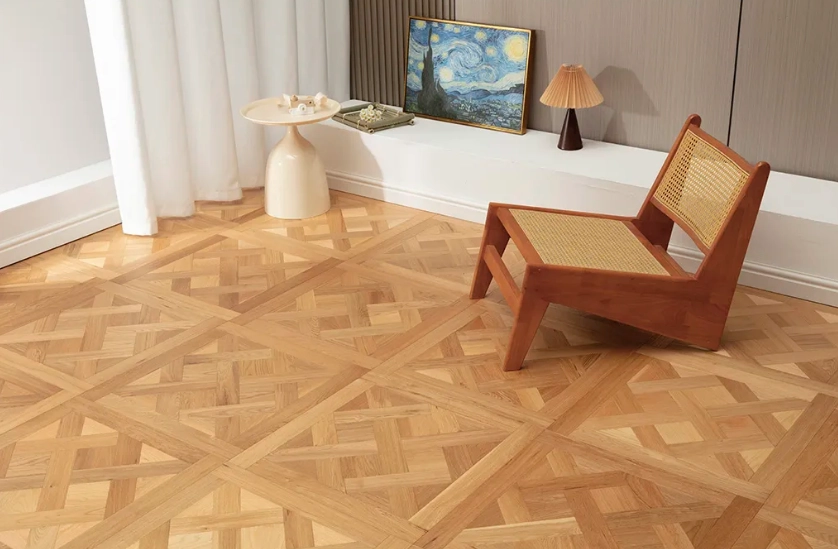
LZY26 for Unique Artistic Parquet Floor Spaces
LZY26 is more suitable for a Unique artistic parquet floor. Its pentagonal irregular mosaic design creates a stronger visual effect than regular straight layouts. The product page also notes a moisture-resistant multi-layer core, custom patterns and finishes, and underfloor heating compatibility.
Because the design is more expressive, it should be handled with a clearer drawing and sample confirmation. For this type of custom parquet flooring panels, the buyer should decide where the main visual field sits and how the edges will be finished.
How Can You Avoid Uneven Parquet Borders
Uneven borders do not always mean poor material. Many times, the first line was not checked properly, or the edge plan was not made before fixing the floor. The solution is to slow down at the beginning.
Start From the True Visual Center
The true visual center may not be the exact mathematical center of the room. Doorways, furniture placement, and main sightlines can change how the floor is viewed. The pattern should feel balanced where people first see it.
This is why a dry layout matters. It lets the project team adjust the starting point before any permanent fixing starts.
Check the First Strip Before Full Installation
The first strip is the control line for the whole floor. After placing the first section, step back and check whether the pattern still follows the guide line. If it looks slightly wrong, it is better to reset it early.
Trying to correct a wrong first line later usually makes the floor look forced. A small early correction saves more work than cutting many border pieces to hide the error.
Cut Border Pieces After Full Planks Are Set
Border cutting should follow the actual installed pattern. This is especially important with decorative parquet and irregular mosaic layouts. If the edges are cut too early, the final border may not match the real position of the pattern.
A better method is to set the main field first, then measure the remaining edge space. This gives cleaner edges and reduces wasted material.
What Should Buyers Confirm Before Bulk Ordering
For buyers, the floor order should begin with room drawings and project conditions, not only surface color. Product size, pattern direction, edge treatment, sample approval, and packaging should all be discussed before production. This is especially true when several rooms need a consistent look.
Sample Effect and Pattern Direction
A small sample can show color and surface, but a group of pieces shows the real pattern. Ask to check more than one piece when the design depends on repeated geometry. This helps the buyer see whether the floor will look calm, strong, formal, or artistic in the finished space.
Size Matching and Cutting Waste
If the selected size does not fit the room well, the border may need many narrow cuts. This affects both appearance and material use. Before you Lay Parquet Flooring, compare the product size with the room width and length. A small adjustment in size or layout direction may create a cleaner finished edge.
Service and Project Communication
YEHUI can support product customization based on project style, size, budget, and requirements. For buyers comparing LZY05, LZP1001, or LZY26, the useful discussion should cover drawings, sample checking, order details, and how the pattern will be read after laying.
If your project is still comparing parquet size, pattern direction, or product structure, prepare the floor plan, preferred style, and expected order details before you contact YEHUI. A clear request helps the supplier judge whether the project needs a regular layout, a decorative parquet look, or a more artistic mosaic design.
FAQ
Q: Can I Lay Parquet Flooring Without a Center Line?
A: It is not recommended. You can Lay Parquet Flooring from a wall, but many walls are not perfectly straight. A center line and a right-angle guide make the pattern easier to control.
Q: What Causes Parquet Flooring Pattern Drift?
A: Common causes include an uneven subfloor, inaccurate first line, poor dry layout, mixed plank direction, and cutting border pieces too early. Patterned floors need more checking than straight plank floors.
Q: Which YEHUI Product Is Better for a Decorative Parquet Look?
A: LZP1001 is suitable for a classic decorative parquet effect. LZY26 works better for a Unique artistic parquet floor. LZY05 is easier to plan when the project needs a cleaner linear layout.



 French
  English
  Spanish
  Arabic
  German