

Before placing a bulk order, distributors should ask how an engineered wood flooring manufacturer will convert commercial requirements into a controlled product specification. Materials, construction, finish, samples, production checks, packaging, order terms, and deviation handling all need review.
For distributors, importers, wholesalers, and project procurement teams, a reliable order begins with accurate information. يهوي manufactures multi-layer engineered wood flooring built to strict dimensional, structural, and environmental specifications.
What Should Distributors Define Before Requesting a Quotation?
A useful quotation depends on a clear inquiry. Buyers should define what they need, where the flooring will be sold or used, and which decisions require manufacturer input.
Which Market, Project, and Sales-Channel Requirements Apply?
State the destination market, buyer type, sales channel, intended interior application, target appearance, estimated volume, and expected replenishment pattern.
This information helps the manufacturer recommend a suitable board format, surface treatment, profile, and packaging method. It does not guarantee that one configuration will suit every site condition or installation method.
Which Fields Belong in the Written Product Brief?
The brief should identify the product code, real-wood veneer species and grade, multi-layer plywood core, dimensions, finish, texture, requested color, edge profile, packaging, labeling, quantity, destination, and required documents.
Divide the information into three groups:
- Confirmed requirements that must not change
- Open questions requiring manufacturer input
- Optional customization subject to sampling and quotation
How Should Buyers Compare Quotations and Samples?
Compare quotations on a like-for-like basis. Each price should use the same dimensions, construction, finish, profile, quantity, packaging, shipment terms, and labeling assumptions.
Give every sample a traceable code linked to its quotation and specification. A showroom board can show color, texture, and overall appearance, but it cannot replace written production requirements. Because real-wood veneer varies naturally, agree on an acceptable appearance range rather than judging the order against one isolated plank.
What Manufacturing and Quality-Control Questions Matter Most?
A capable engineered wood flooring manufacturer should explain how order information moves from material selection through production and packing. Buyers need order-specific checkpoints, records, and approval responsibilities, not broad quality claims.
How Are Incoming Materials and Specifications Identified?
Ask how the supplier records veneer species and grade, plywood-core construction, finishing materials, product code, and approved sample reference. Confirm how this information reaches production personnel and is matched to the order.
If the approved sample changes, require a revised reference and written approval. Descriptions such as “similar oak color” or “standard matte finish” allow too much room for interpretation.
Which Production Checkpoints Are Documented?
Ask what checks cover dimensions, appearance sorting, finishing, profiling, packing, and product identification. Confirm which records may be available for review and how nonconforming material is separated or reassessed.
The supplier should identify who can accept, reject, or escalate a deviation. The inspection method and responsible party should establish what will be checked and which records will support each decision.
How Is Bulk Consistency Reviewed Before Shipment?
Agree on inspection criteria before production. These may include product identity, board dimensions, appearance range, finish, profile, quantity, labels, cartons, and pallet condition.
Define the inspection method, responsible party, approval stage, and treatment of deviations. Approved reference samples, photographs, inspection records, and packing lists can support review. Without agreed criteria, buyer and supplier may assess the same variation differently.
How Do Three YEHUI Products Make the Supplier Discussion Concrete?
Standard catalog configurations serve as an engineering baseline that must be customized and locked via signed purchase agreements. For each model, turn the listed construction, dimensions, finish, profile, packaging, and branding options into verification fields, then confirm the selected revision through an order-specific quotation, coded sample, and signed specification.
QH1909: Confirm the Selected Plywood-Core and Board Configuration
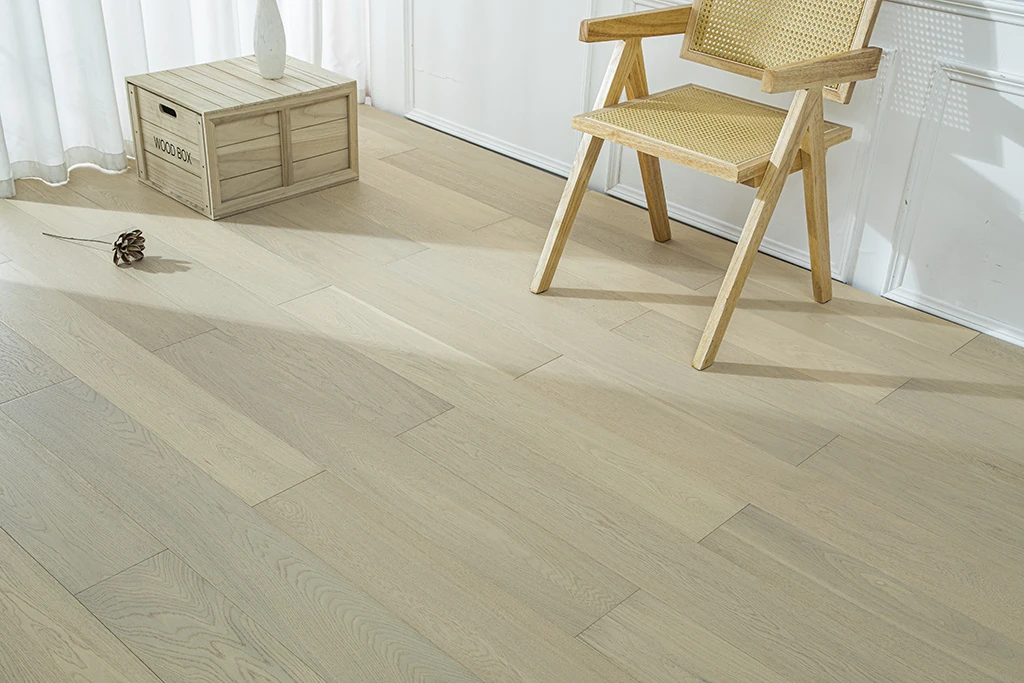
إن متعددة الطبقات كل أرضيات خشبية من الخشب الرقائقي من البيرش QH1909 YEHUI series is defined by full birch multi-ply core construction, calibrated European Oak veneers, and precision profiling.
Ask which configuration applies to the inquiry instead of assuming every field shown belongs to one standard version. The quotation should state the exact construction and connect it to a coded sample. Record alternative colors, finishes, sizes, or packaging requests as separate revisions.
QH1901: Convert Structure-Resisting Language Into Written Requirements
Use أرضيات خشبية متعددة الطبقات مقاومة الهيكل YEHUI-QH1901 to convert general product language into written order requirements.
Request identification of the veneer, multi-layer plywood construction, finish, profile, dimensions, and approved sample. Define the intended interior application and acceptance criteria without assuming climate, moisture, or other performance results. If your market or project needs supporting documents, list them in the inquiry for confirmation.
SC7602-F: Compare Format, Finish, Packaging, and Branding Options
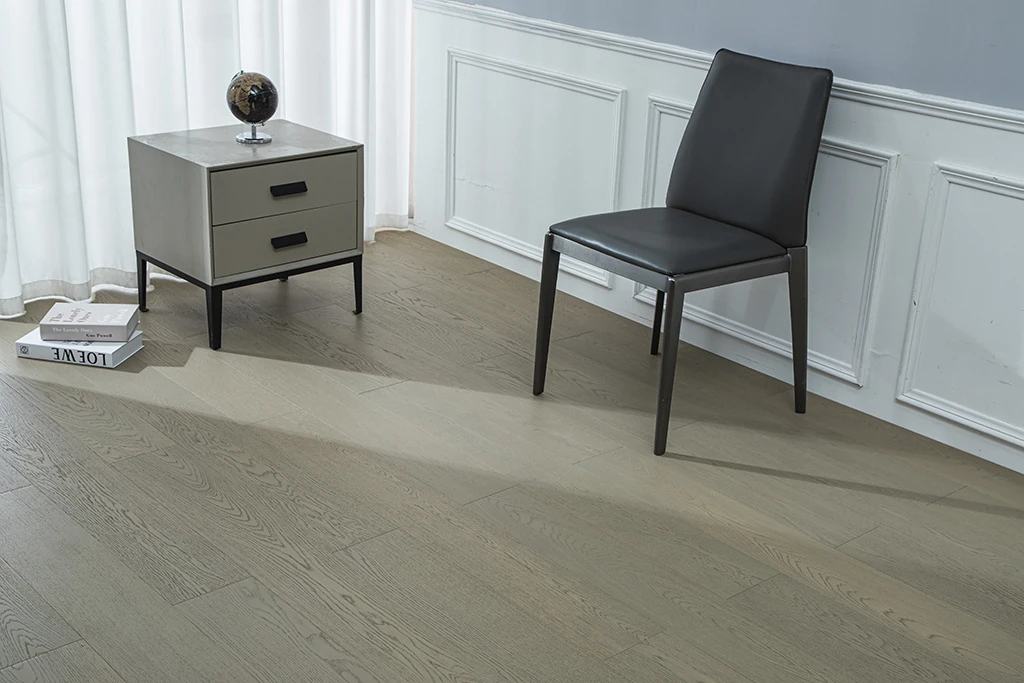
إن Multi-Layer wood Flooring | SC7602-F | YEHUI line offers customizable plank formats, multi-coat UV surface finishes, and branded packaging options.
For distribution programs, specify carton artwork, label content, product codes, language requirements, and pallet identification. Ask whether branding affects sampling, pricing, production scheduling, or document preparation. Options remain conditional until included in the final technical and commercial documents.

Which Commercial Controls Reduce Supplier and Ordering Risk?
Commercial documents must match the approved product so both parties can manage revisions, shipment preparation, and claims without relying on informal messages. Mark each answer as documented, sample-verified, contract-confirmed, or still open; do not treat unverified marketing claims or verbal assurances as finalized specifications until formal test data is attached to the quotation or purchase order.
What Must the Quotation and Purchase Order Confirm?
The quotation and purchase order should align on product code, specification revision, quantity, pricing basis, sample reference, packaging, payment terms, production schedule, shipment terms, and document responsibilities.
Check emails, pro forma invoices, artwork files, and specifications for conflicting details. When one document changes, confirm whether others also require revision. Do not assume that a previous order’s quantity threshold, schedule, or commercial terms apply to a new purchase.
How Are Changes, Delays, and Nonconformities Handled?
Request a written process for specification changes, revised samples, inspection findings, shortages, visible transport damage, and product deviations. It should identify who may approve changes and what evidence is required.
Clarify how remedy discussions will be handled. Any response depends on the contract, evidence, timing, and nature of the issue. No outcome should be assumed before the facts are reviewed.
What Should a Distributor Send With the First Inquiry?
Send a concise sourcing brief covering:
- Destination market and buyer channel
- Preferred product format and target appearance
- Estimated order volume and replenishment plan
- Required construction, dimensions, finish, and profile
- Sample requirements
- Packaging, labeling, and branding needs
- Shipping destination and decision timetable
This allows the supplier to identify missing information before preparing a detailed proposal. Buyers can then assess an engineered wood flooring manufacturer on specification control, not price alone. Procurement teams can send a product and order brief to YEHUI for model-specific confirmation, sampling requirements, and a current quotation.
التعليمات
What Documents Should a Distributor Request From an Engineered Wood Flooring Manufacturer?
Request a current quotation, detailed product specification, coded sample reference, packaging and labeling confirmation, shipment terms, payment terms, production schedule, and a list of required commercial or market documents. The exact document package should reflect the destination and contract.
How Can Buyers Confirm That Bulk Flooring Matches the Approved Sample?
Link the approved sample code to the signed specification and purchase order. Before shipment, review the agreed evidence for product identity, dimensions, appearance range, finish, profile, labels, carton condition, quantity, and pallet condition.
Which Order Terms Should Be Finalized Before a Deposit Is Paid?
Finalize the product code, specification revision, quantity, pricing basis, approved sample, packaging, branding, payment arrangement, production schedule, shipment terms, document responsibilities, change procedure, and handling of identified nonconformities.



 Arabic
  English
  Spanish
  French
  German